London to Pearson & the airports · 2026-09-21 · 8-minute read
A pickup from Toronto Pearson to London, Ontario with LondonLimo.net works like this: you book with the flight number; the desk tracks the flight from its departure; the chauffeur is in the arrivals hall of Terminal 1 or Terminal 3 with a name board before it lands; you clear customs, collect the bags and walk out to a person holding your name; the car is in the commercial pickup area a short walk away; the drive down the 401 is two hours; and a text tells whoever is waiting in London that you are in the car. Sixty minutes of waiting after a domestic landing and ninety after an international one are included, a late flight moves the pickup at no charge, and the fare is the same planning figure as the outbound - $295-345 plus HST for a sedan. The airport pickup guide covers the meet in general; this article is the Pearson-to-London version in particular.
The booking: the flight number is everything
Book the pickup with the flight number and the scheduled arrival time, and let the tracking do the rest. The desk watches the flight from its departure city - a delay in Frankfurt or Delhi is known in London eight hours before the landing - and the chauffeur's departure from London is set from the actual arrival, not the scheduled one. A passenger who lands two hours late is met two hours late by a chauffeur who left London two hours later, not one who has been idling at the airport charging for it. The Pearson airport page has the terminals and the meeting spots.
Landing: what the passenger does
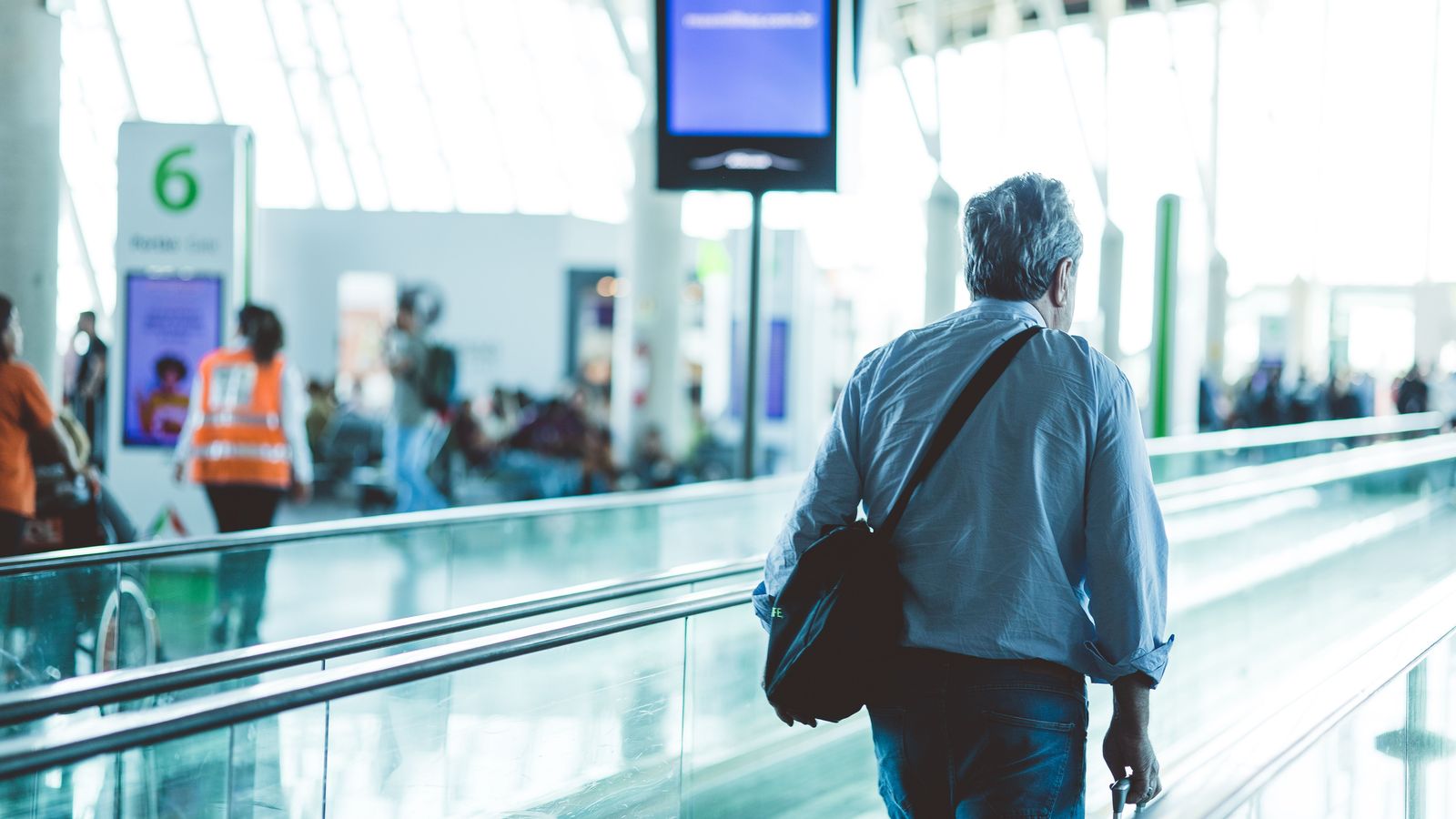
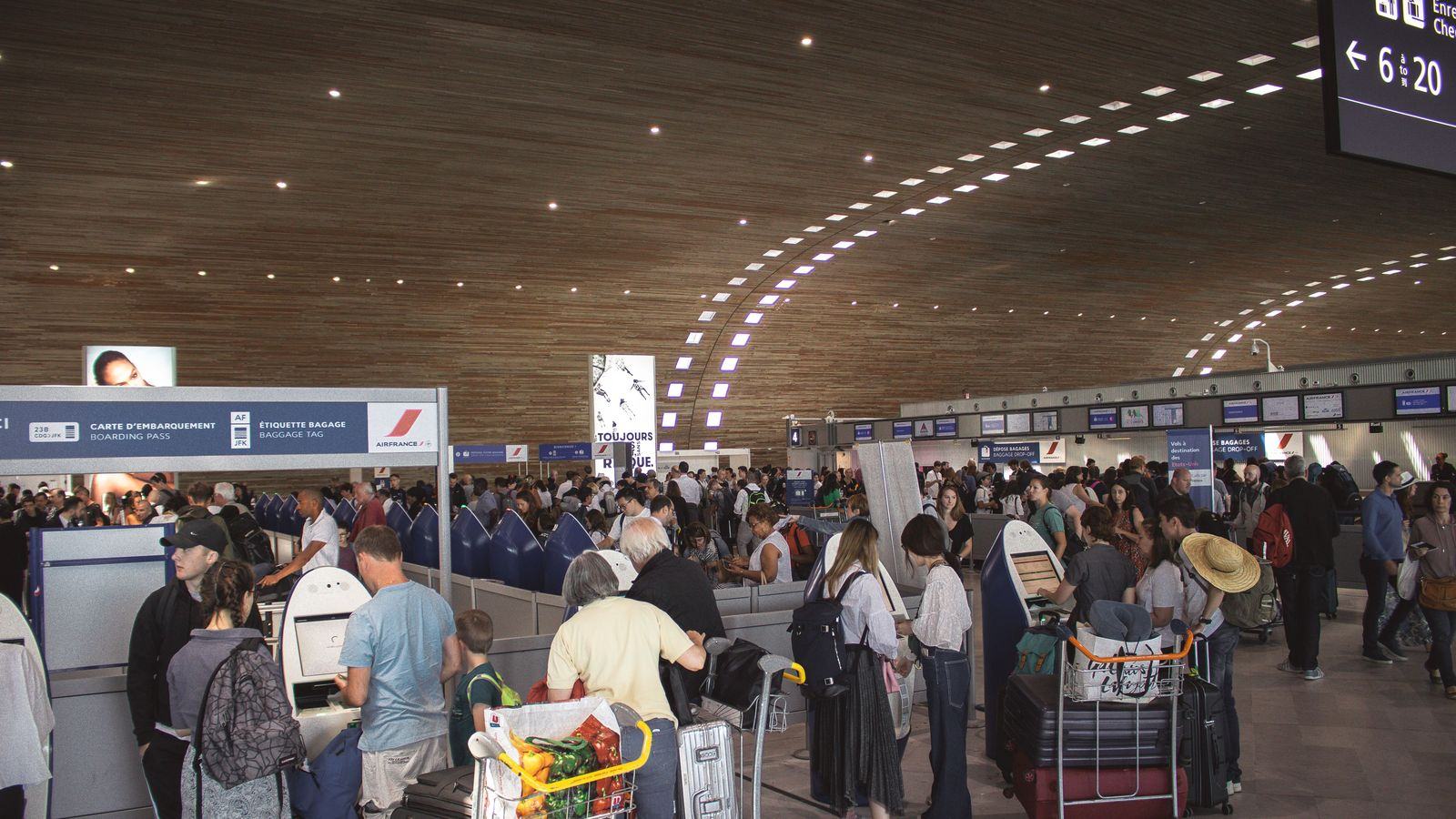
Turn the phone on; the chauffeur's text from the evening before is there with the name, the mobile and the plate. Clear immigration and customs at your own pace - a Terminal 1 international arrival takes twenty minutes on a quiet evening and ninety on a Sunday in July - collect the bags at the carousel, and walk through the doors into the arrivals hall. There is no need to call; the chauffeur is already there.
| Arrival type | Where the chauffeur stands | Included wait after actual landing |
|---|---|---|
| Terminal 1, international | Arrivals hall, by the exit doors from customs | 90 minutes |
| Terminal 1, domestic | Arrivals level, by the domestic carousel exit | 60 minutes |
| Terminal 3, international | Arrivals hall, by the customs exit doors | 90 minutes |
| Terminal 3, domestic | Arrivals level, by the carousel exit | 60 minutes |
| Any terminal, a late flight | Same spot, at the new time | Tracked; no charge for the delay |
The meet: the name board and the walk to the car
The board reads your surname, or the company's name, or the phrase you chose - in your language if you asked - and the chauffeur greets you, takes the trolley, and walks with you to the commercial pickup area, a few minutes from the hall; a passenger who prefers to wait at the curb says so and the chauffeur brings the car round. The bags go in, the cabin is warm or cool as the season needs, and the text goes out: "In the car at Terminal 1, 11:42 p.m." The chauffeurs page describes the meet training.
The drive home: the 427, the 401 and the two hours
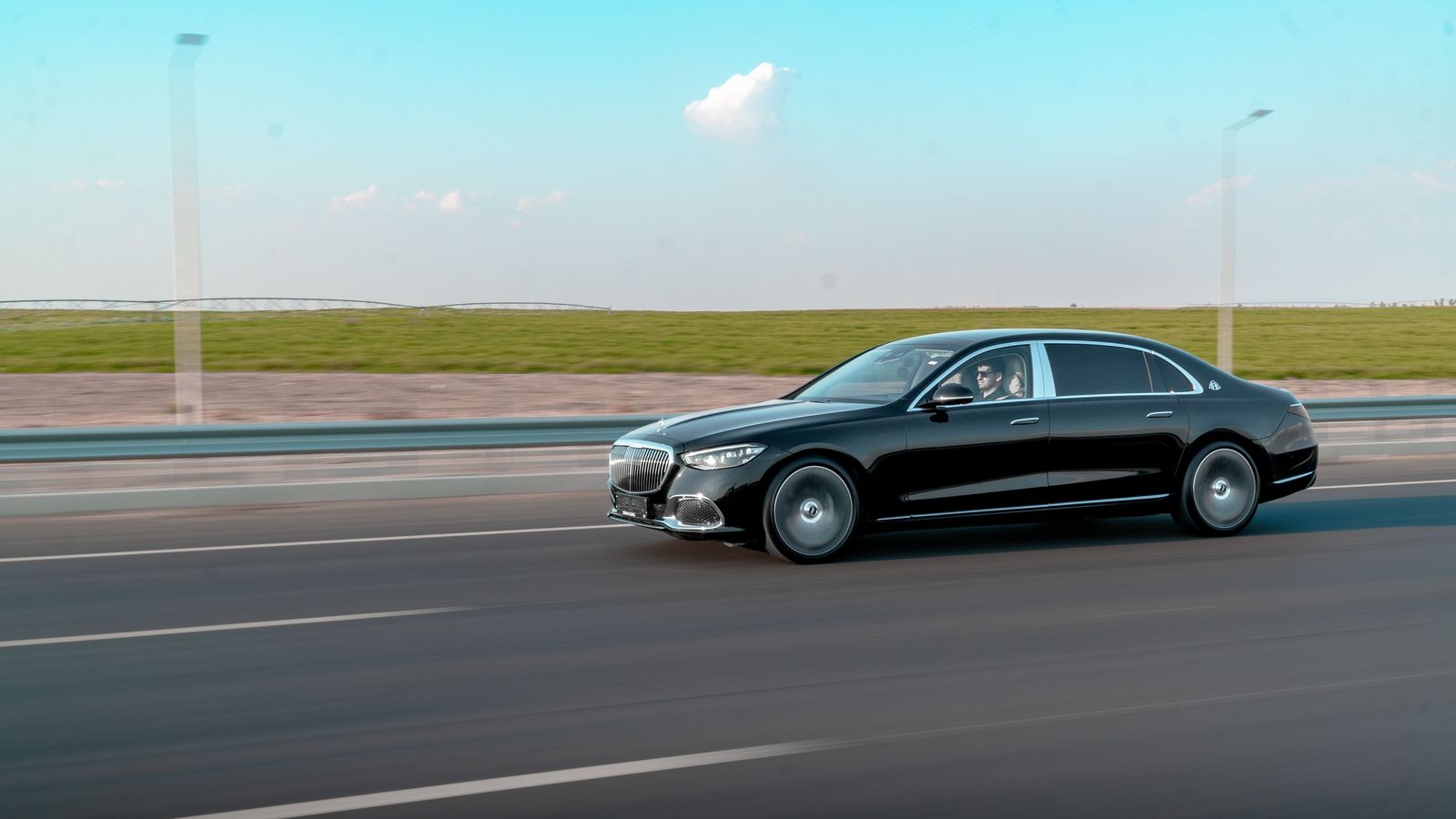
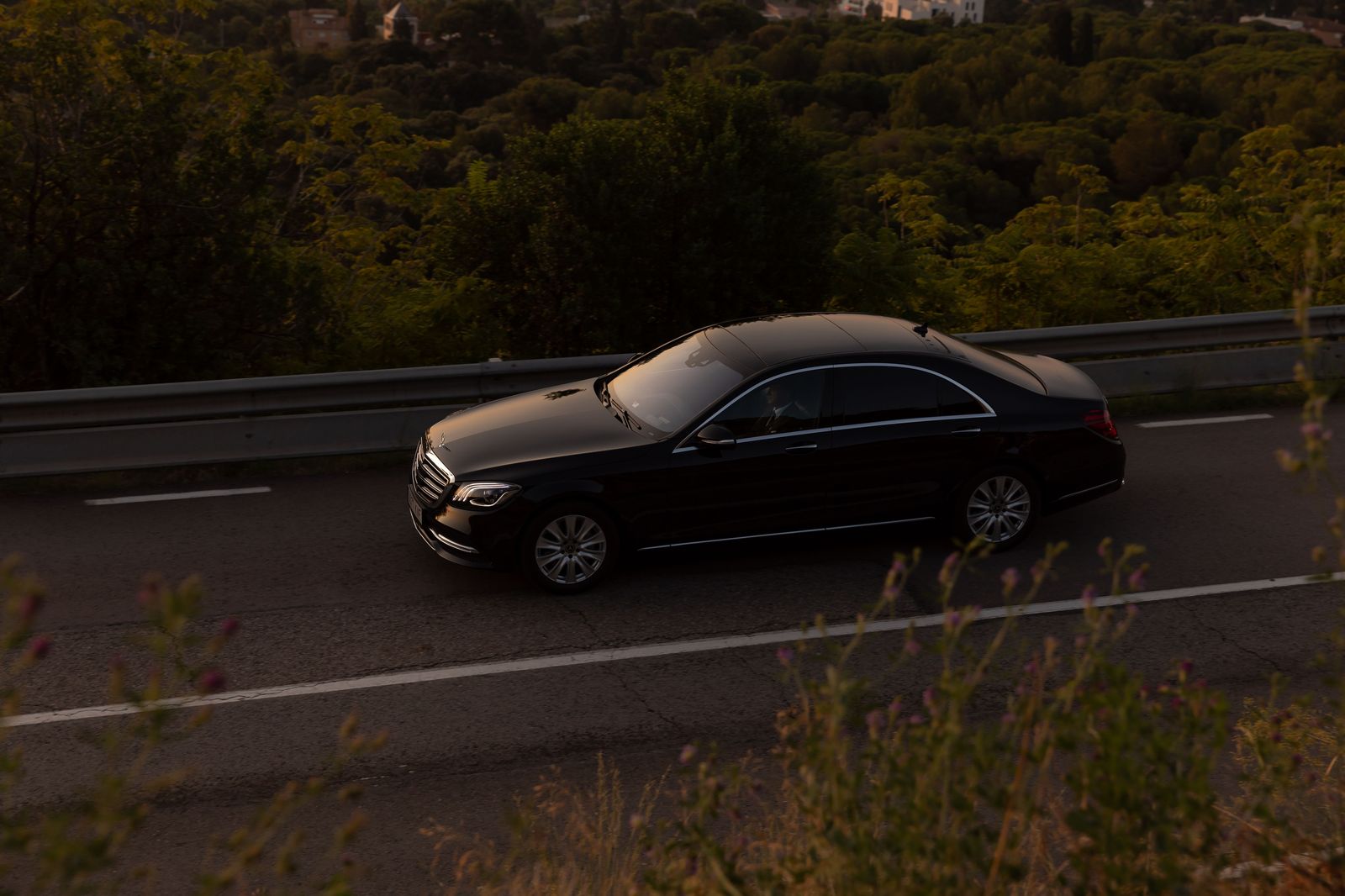
Out of the terminal on the 409 or the 427, west on the 401 past Milton, Cambridge and Woodstock, and into London two hours later; at midnight the road is empty and the run is closer to an hour and fifty, and at 5 p.m. on a Friday it is two and a half with the 407 taken to skip Mississauga. A passenger who has been travelling for twenty hours usually sleeps; the chauffeur keeps the cabin quiet and the driving smooth, and the neighbourhoods page has the drive times to each part of the city from the 401's exits.
The included wait, and beyond it
Sixty minutes after a domestic landing and ninety after an international one are inside the fare, and the desk extends the wait when it sees a long customs queue on the airport's own data. Beyond the window, waiting is billed at the hourly rate in half-hour increments and shown on the receipt; a passenger held in secondary inspection or at the lost-bag desk texts the chauffeur, who waits. The rates page sets out what is and is not inside a fare.
A missed connection, a diverted flight, a lost bag
A missed connection in Frankfurt means a new flight number: text or call the desk and the booking moves to it without a fee. A flight diverted to Hamilton or Ottawa means a call from the desk with the options - a pickup at Hamilton, or a wait for the onward leg. A lost bag means a report at the airline's desk inside the hall and a text to the chauffeur, who waits; the bag is delivered to London later by the airline, and the travel desk will chase it for a client who asks.
The visitor who has never been to Canada
A student from Chennai, a grandparent from Lagos, a customer from Munich: the host books the pickup in the visitor's name with the host's number for the texts, the board is in the visitor's language on request, the chauffeur walks the visitor from the hall to the car, and the host is told at each leg. The universities page describes the international student's arrival and the corporate page the visiting executive's.
Three pickups, as they went
A Terminal 3 domestic arrival from Vancouver, 9:50 p.m., Tuesday. On time; the passenger was in the car at 10:15 and in Old North at 12:10.
A Terminal 1 international arrival from London Heathrow, Sunday in July. Landed 35 minutes late; 85 minutes through immigration; the chauffeur, who had tracked the delay, was at the doors with the board; the family was in the car at 6:40 p.m. and home in Byron at 8:50. Nothing charged for the wait.
A missed connection in Toronto for a YXU flight, February. The student texted the desk from the gate; the YXU meet became a Terminal 1 meet forty minutes later, and the student was at Western's residence by midnight.
Booking it
Book the pickup with the flight number on the reservation engine; the Pearson page has the fare and the outbound rules, and the FAQ the questions about waiting and bags.
Terminal 1 in detail
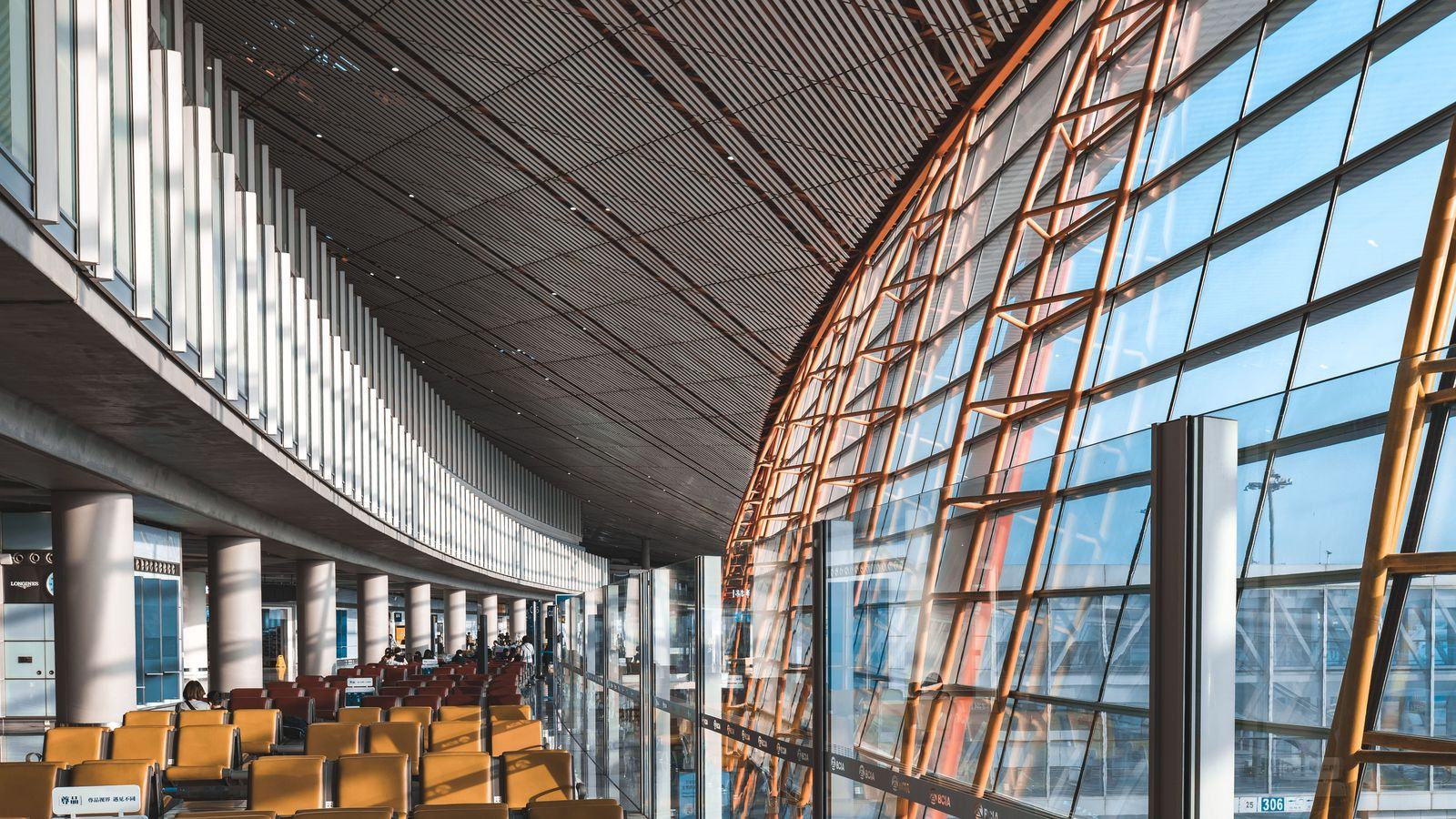
Terminal 1's international arrivals hall is on the ground level, and passengers exit customs through a set of doors into a wide hall where the greeters stand behind a rail; the chauffeur is at the rail nearest the doors with the board at chest height. Domestic arrivals collect bags on the same level at the domestic carousels and exit into the hall's other end; the chauffeur moves between the two by the flight's type. The Pearson airport page has the map, and the airport's own arrivals page shows the carousel for each flight.
Terminal 3 in detail
Terminal 3's arrivals are on the lower level, with the international customs exit and the domestic carousels a short walk apart; the chauffeur stands at the customs exit for an international flight and by the carousels for a domestic one, and the commercial pickup area is across the roadway and up one level, a four-minute walk the chauffeur makes with the trolley. WestJet, Porter, Sunwing and Air Transat land here; the CBSA's arrival process is the same in both terminals.
The winter return
A December return from a sun destination lands at Terminal 3 into a Toronto snowstorm; the chauffeur has driven up from London on winter tires ahead of the squall and is in the hall, the family's summer clothes are covered by the coats the chauffeur suggested they leave in the car ten days earlier - a household account remembers such things - and the 401 home is driven at the speed the road allows, which the desk has already told the family may mean three hours. The winter article has the season.
What the return costs, and what it includes
The same planning figure as the outbound: $295-345 for a sedan, $345-395 for an SUV, $545-645 for a Sprinter, before HST, with the meet and greet, the tracking, the ninety-minute international wait, the 407 if used, the airport's fee, the bags and the gratuity inside, as the rates page and the cost guide set out; a small early-hours premium applies to a pickup between midnight and 5 a.m. and is shown on the engine before you confirm.
Three questions the desk is asked about the return
What if I cannot find the chauffeur in the hall? Call or text the number from the evening before; the chauffeur is at the rail nearest the customs doors and will come to you, and the desk can reach the chauffeur in seconds if the phone does not answer - it has never yet taken more than four minutes. Can the car stop for food on the way home? A fifteen-minute stop is inside the fare, and the Cambridge or Woodstock ONroute at 1 a.m. has a coffee and a washroom; a sit-down meal is an hourly booking. Can I be dropped at two London addresses? Yes - a second drop across the city is a short stop the engine prices, and a family that splits at the 401 and Wellington Road is charged a few dollars for it.
The return run's timing, from the flight's side
A flight's arrival time on the ticket is the gate time, and the desk tracks the aircraft's actual position, its landing and its taxi to the gate; the chauffeur leaves London to arrive in the hall at the actual gate time plus twenty minutes for a domestic flight and forty-five for an international one, and is there when the first passengers of that flight come through the doors. A passenger who clears immigration fast walks out to a chauffeur already waiting; a passenger who takes ninety minutes walks out to the same chauffeur, still waiting, at no charge.
Booking checklist for the return
The flight number and the scheduled arrival; the terminal, if you know it; the name for the board and the language; the passengers and the bags; the London address or the hotel; a stop on the way, if any; the account or the card; and the numbers for the texts - the passenger's when the phone comes on, and a host's in London. The reservation engine takes it in a minute and the Pearson page has the hall.
The London end: where the run finishes
The 401's London exits are Veterans Memorial Parkway for the east and the airport side, Highbury Avenue for the core and the north, Wellington Road for White Oaks, the hospital and downtown, Wonderland Road for Westmount, Byron and the west, and Colonel Talbot Road for Lambeth; the chauffeur takes the one the address needs and the last ten to twenty minutes are the city's own streets, quiet at 1 a.m. and busy at 5 p.m. A passenger bound for a hotel is dropped at the porte-cochere with the bags handed to the doorman; a passenger bound for home is seen to the door with the bags on the step, and a second passenger dropped across town is a short stop the engine priced at booking. The neighbourhoods page has the drive times from the highway to each part of the city, and a passenger who has been awake for twenty hours is usually asleep for all of them.