London to Pearson & the airports · 2026-09-21 · 9-minute read
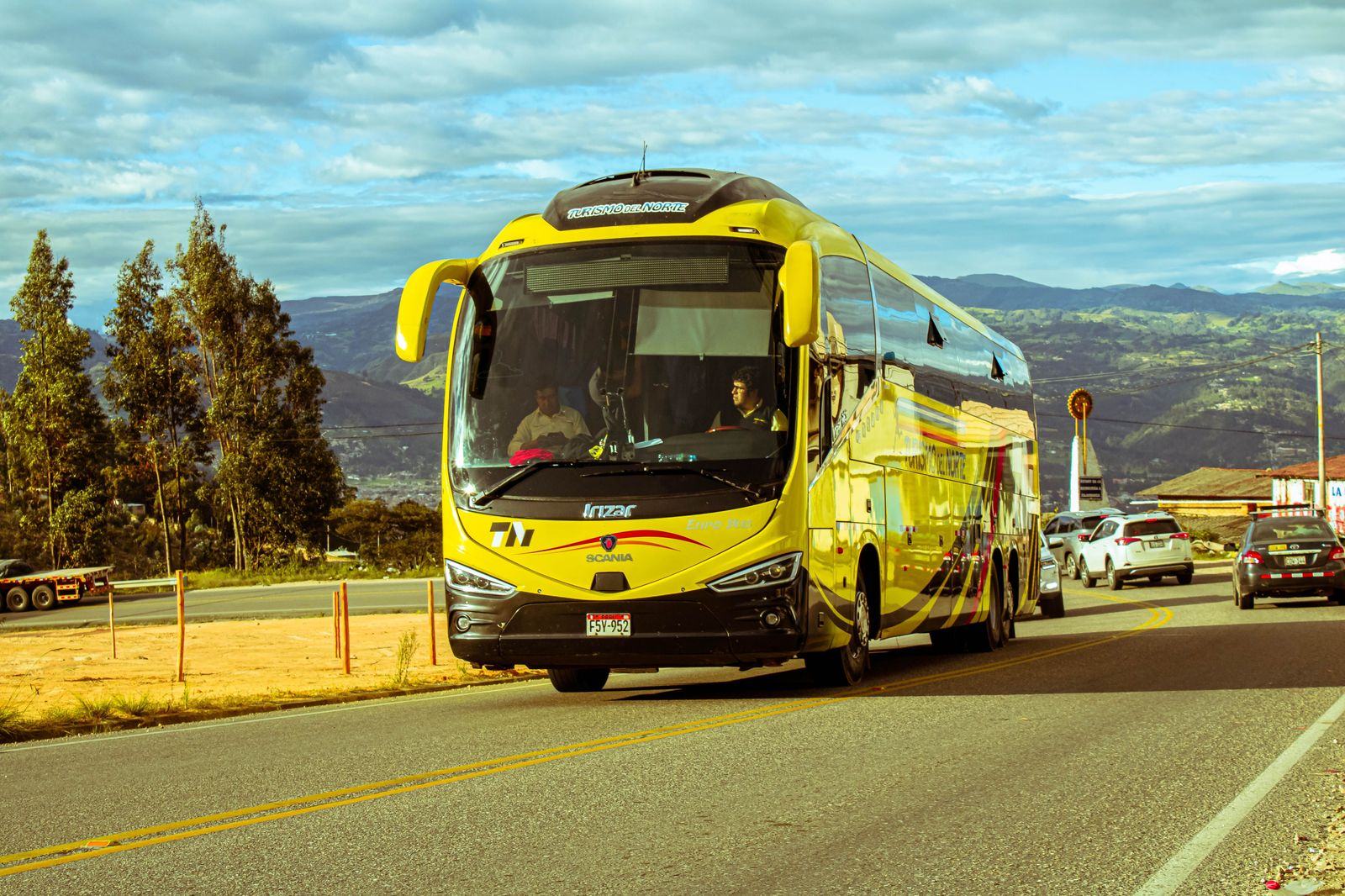
The London to Pearson airport limo run is 190 kilometres and about two hours door to door: the pickup at a London address, Highway 401 east past Woodstock, Ingersoll, Cambridge and Milton, the choice between the 401 through Mississauga and the 407 tolled route, and the departures curb at Terminal 1 or Terminal 3. LondonLimo.net's chauffeurs drive it several times a day at a planning figure of $295-345 plus HST for a business sedan, and this article walks through every stage - the timing rules, the checkpoints, the winter margins - so that the London to Pearson service makes sense before you book it on the reservation engine.
Minus one day: the booking and the evening text
The run starts the evening before, when the chauffeur's name, mobile and plate arrive by text and email. The desk has already checked the flight - the airline, the terminal, the scheduled departure - and set the pickup time from the rules the Pearson page publishes: three hours and forty minutes before an international departure, three hours before a domestic one, plus two hours for the drive and a margin for the season. A passenger who books a 10 a.m. international flight sees a 4:20 a.m. pickup on the confirmation and, in January, 4:00. The desk reads the Environment Canada forecast for the 401 corridor the evening before and moves the time earlier if a squall is due.
Minus ten minutes: the driveway
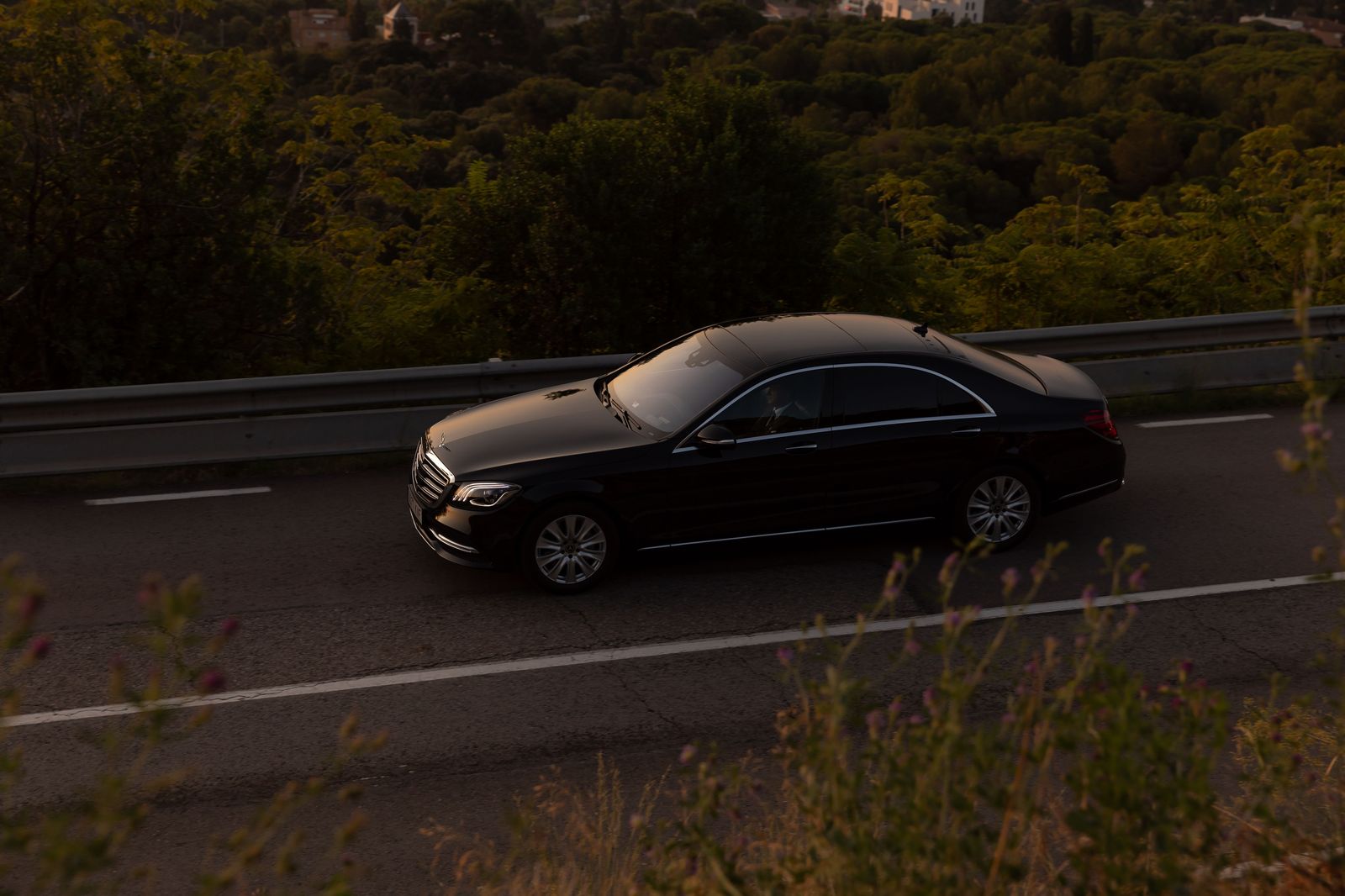
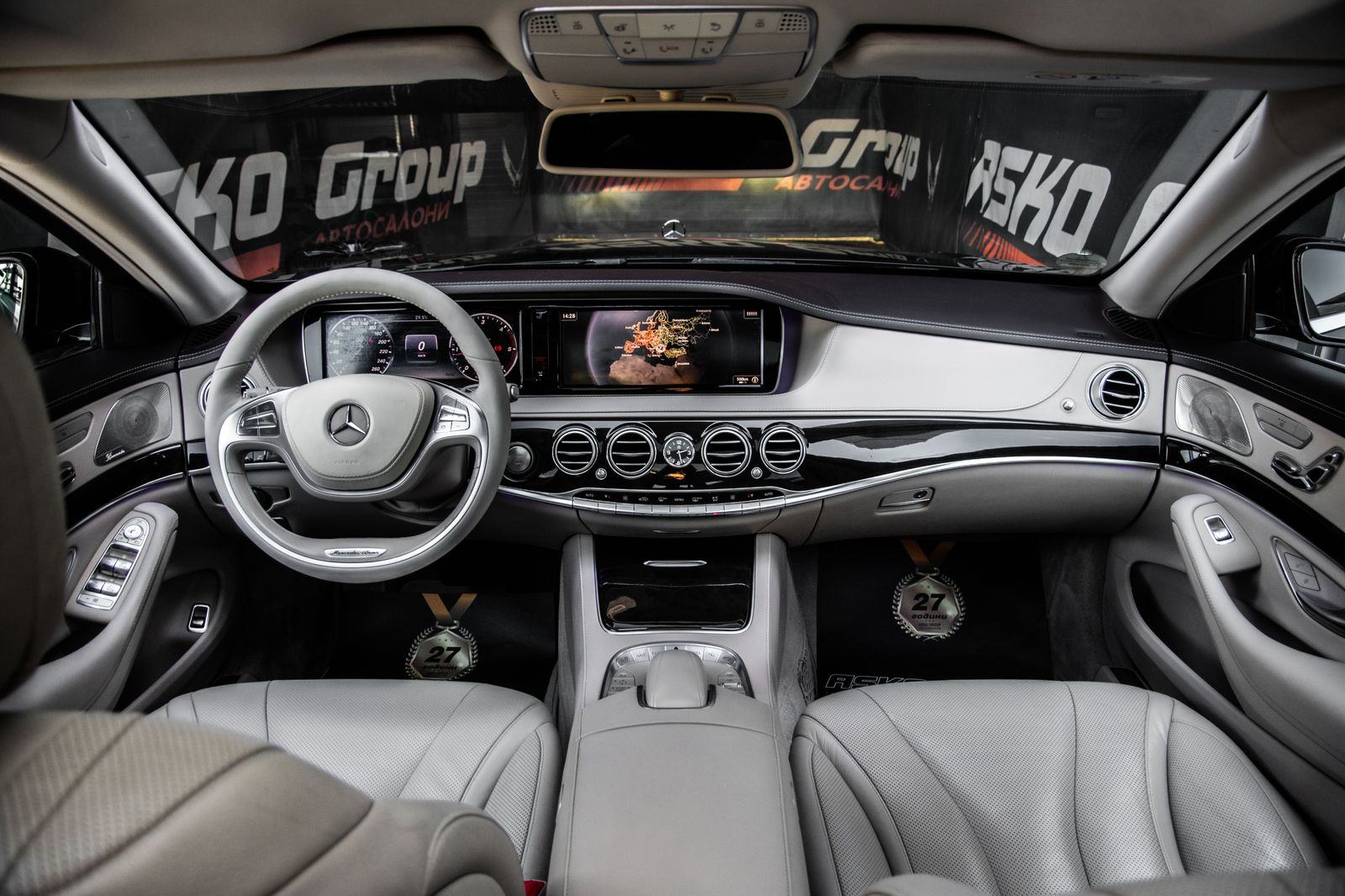
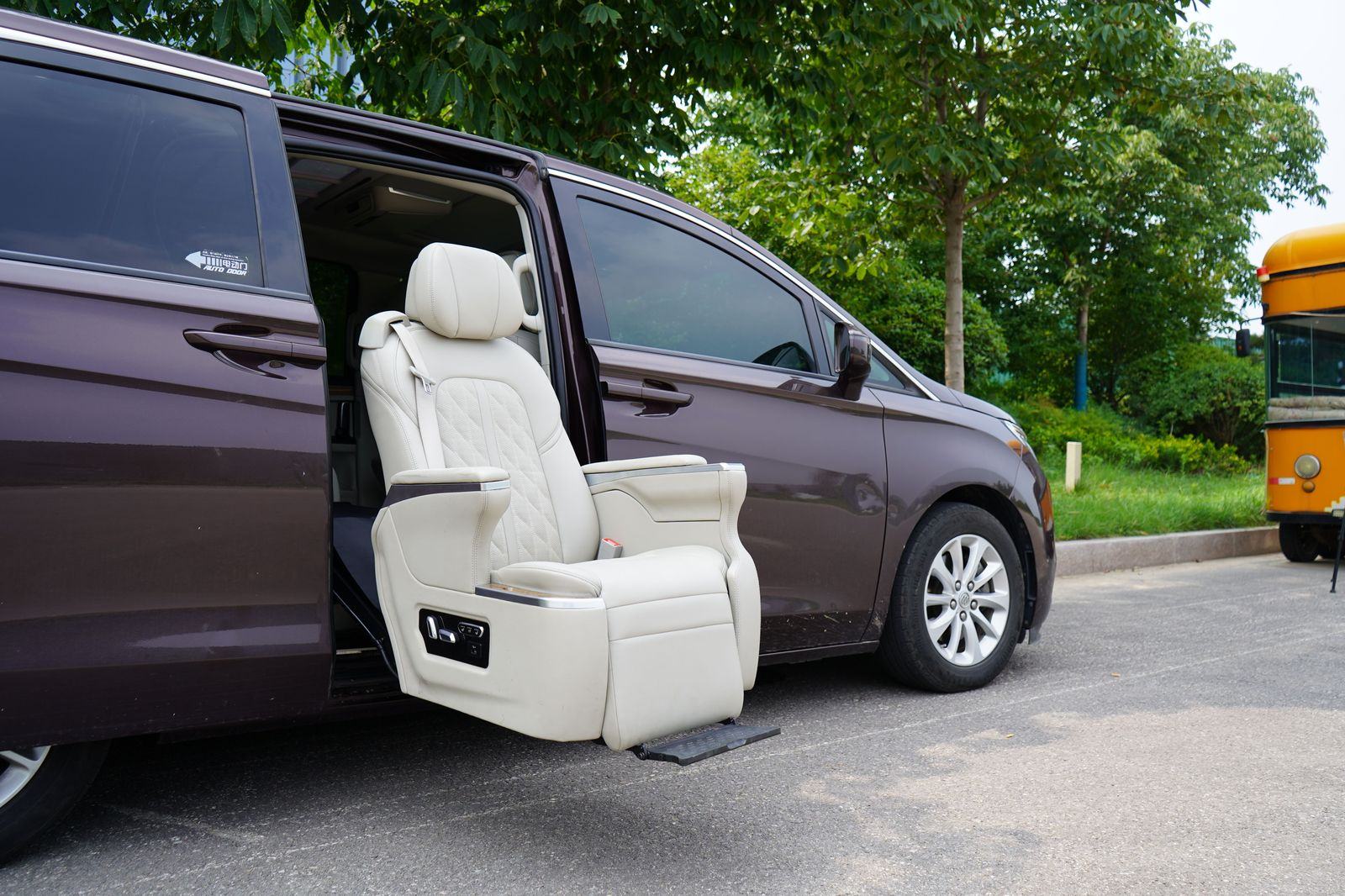
The chauffeur is at the address ten minutes before the booked minute, engine running in winter so that the cabin is warm, and texts rather than knocks. The bags go in the trunk while the passenger locks the door; a sedan takes three cases and a carry-on, an SUV six, and the fleet page is honest about which is which. Water and chargers are in the cabin, the Wi-Fi is on, and the route is already set for the day's traffic.
| Stage | Kilometres from London | Typical time | What the chauffeur is watching |
|---|---|---|---|
| Pickup, any London address | 0 | 0:00 | The passenger's bags, the cabin temperature, the first 401 camera |
| Highway 401 at Wellington Road or Veterans Memorial Parkway | 5-12 | 0:10 | The ramp, the merge, the snowplow schedule in winter |
| Woodstock | 45 | 0:35 | The first squall zone; Highway 403 split |
| Cambridge and the Highway 8 interchange | 100 | 1:05 | Volume from Kitchener-Waterloo joining |
| Milton and the 407 decision | 140 | 1:30 | Traffic through Mississauga on the 401 vs the 407 toll |
| Highway 427 north or the 409 | 180 | 1:50 | The terminal: T1 via the 409, T3 via the 427 |
| Departures curb, Terminal 1 or 3 | 190 | 2:00 | The airline's door; the bags on the curb; the text to the host |
Planning times in normal traffic; a Friday afternoon or a winter morning adds twenty to forty minutes, and the pickup time is set to absorb it.
Hour zero to thirty-five: London to Woodstock
The 401 leaves London flat and straight, and the first thirty-five minutes are the calmest of the run - unless it is winter, when the stretch between Dorchester and Woodstock is the first place the lake-effect snow from Lake Huron crosses the highway. The chauffeur is watching the Ontario 511 cameras on the dashboard for the Woodstock and Ingersoll stretches, and on a squall morning this is where the earlier pickup earns its keep. Passengers on the corporate account tend to open the laptop here; families tend to fall asleep.
Hour thirty-five to one-oh-five: Woodstock to Cambridge
Past Woodstock the 403 splits off toward Hamilton and the 401 climbs gently toward the Cambridge escarpment; the volume builds as Kitchener-Waterloo's traffic joins at Highway 8. This is the stretch where a truck rollover closes a lane two or three times a winter, and the chauffeur has the alternative - Highway 8 through Kitchener to the 401 at Cambridge, or the 403 through Hamilton to the QEW - in mind before it happens. The comparison guide explains why the shared shuttle, which cannot leave its scheduled route, loses most of its time here.

Hour one-oh-five to one-thirty: Cambridge to Milton, and the 407 decision
Between Cambridge and Milton the 401 widens and the chauffeur makes the run's one real decision: stay on the 401 through Mississauga to the 427 or the 409, or take the 407 from Milton across the top of the city to the 427 at a toll. On a quiet Sunday morning the 401 is fine; on a weekday afternoon the 407 saves twenty minutes and the toll is inside the fare, as the cost guide explains. The passenger never sees the decision or the toll; the desk sees the traffic data and the chauffeur sees the road.
Hour one-thirty to two: the airport approach
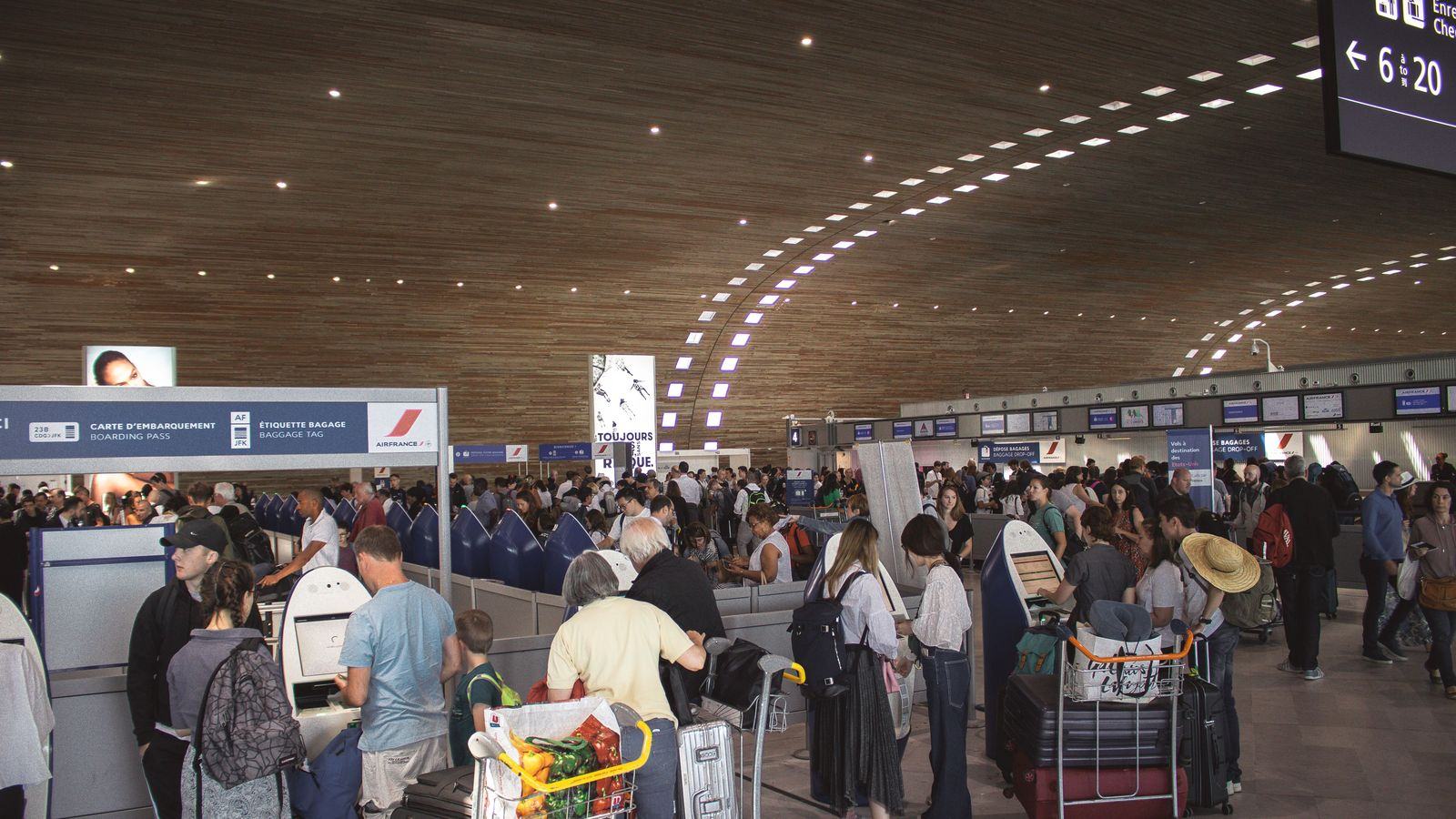
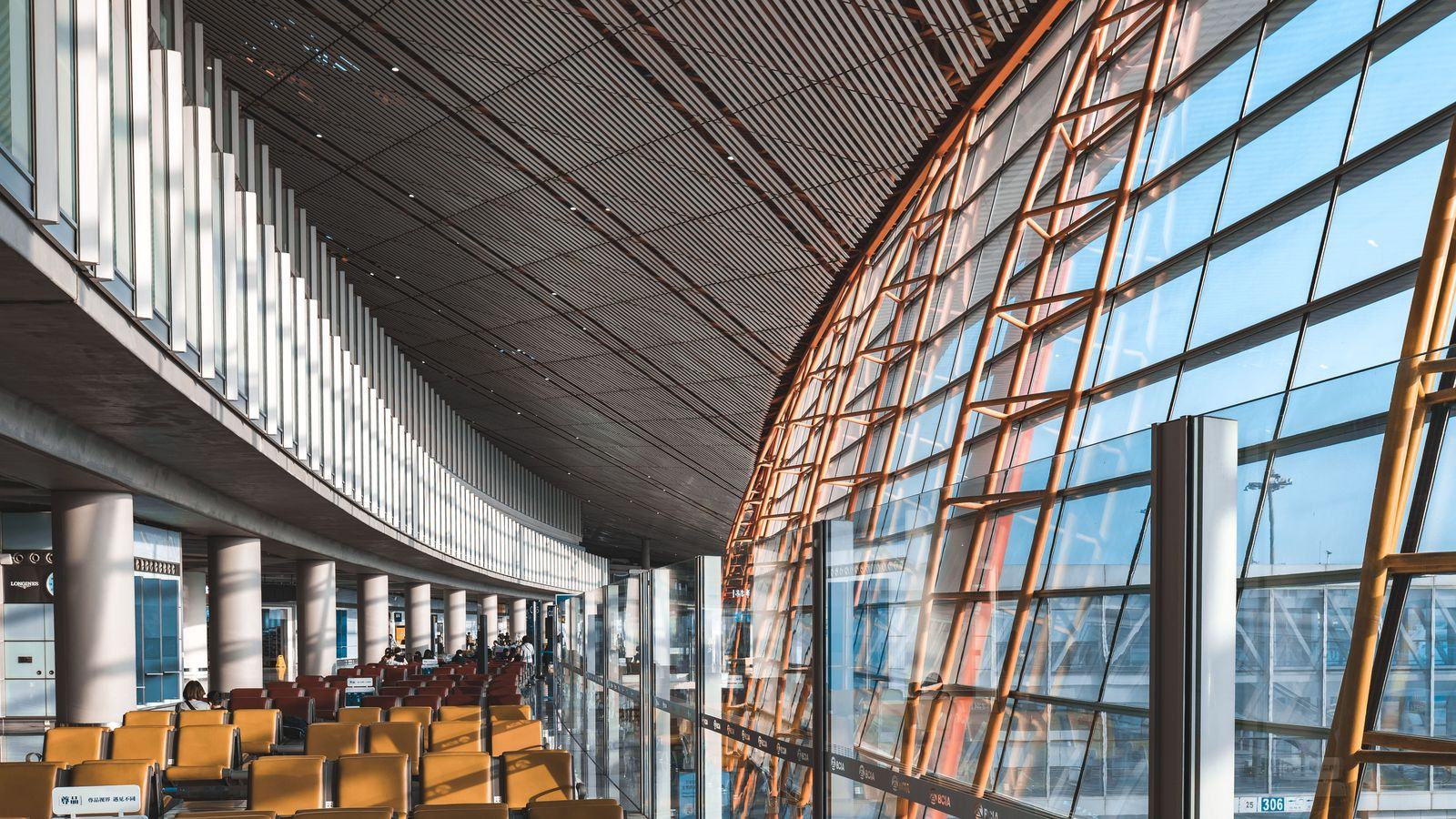
Terminal 1 is reached from the 409 and Terminal 3 from the 427; the chauffeur knows which airline uses which and reads the departures board on the phone as the car turns in. The departures curb at each terminal is organised by airline door, and the car pulls up at the right one - not at the first gap - so that the passenger walks twenty metres, not two hundred. The bags come out, the chauffeur points to the check-in row, and a text goes to whoever asked for one: "At Terminal 1, 6:22 a.m." The airport pickup guide covers the reverse journey in the same detail.
The winter version
The same run in January starts earlier and is driven differently: winter tires, an all-wheel-drive SUV when the forecast calls for it, a chauffeur who reads the cameras at Woodstock and Cambridge before leaving, and a desk rule that says a passenger is never asked to choose between an earlier pickup and a missed flight - the earlier pickup is booked and explained. Once or twice a winter the 401 closes outright and the run does not go; the travel desk rebooks the flight and no fare is charged for the attempt.
Why the fare is what it is
Four hours of a chauffeur's day for a two-hour passenger journey - the return leg is empty unless another booking fits - a late-model Cadillac or Escalade, 380 kilometres of fuel, the 407 when it is used, Pearson's commercial access fee, the desk that tracks the flight and the standard the chauffeurs page publishes: the planning figure of $295-345 for a sedan and $345-395 for an SUV is what that costs, and the London market's published taxi-limo rate of about $220 buys a car without most of it. The rates page has every figure.
Three runs, as they went
A Tuesday in October, 4:20 a.m. pickup in Westmount, 10:05 a.m. flight to Frankfurt. Clear roads, the 401 all the way, Terminal 1 at 6:15, the passenger through security by 6:45 with time for breakfast.
A Friday in July, 1:30 p.m. pickup downtown, 6:40 p.m. flight to Vancouver. The 401 through Mississauga was solid from Milton; the chauffeur took the 407 and reached Terminal 1 at 3:40, twenty minutes ahead of the 401 estimate.
A Wednesday in February, 3:45 a.m. pickup in Byron, 9:30 a.m. flight to Cancun. A squall over Woodstock; the chauffeur left in an SUV, drove the first hour at 80, and reached Terminal 3 at 6:20 - later than a clear day but with the family's margin intact.
Booking it
The reservation engine prices the run from any London address in seconds and sets the pickup from the flight; the Pearson page has the rules, and the FAQ the questions about waiting, bags and car seats.
What the passenger is doing, hour by hour
The corporate traveller opens the laptop at Wellington Road and closes it at the 427, two hours of email on the Wi-Fi with a coffee in the cupholder; the family sleeps until Cambridge and wakes for the airport's lights; the visitor from abroad watches the farmland and asks about the wind turbines, and the chauffeur answers if asked and is silent if not. The chauffeurs page sets the conduct; the hourly page describes the same discipline over a day.
The stops the run allows, and the ones it does not
A fixed-rate run includes one stop of up to fifteen minutes - a coffee at the Woodstock ONroute, a colleague collected in Cambridge on the way, a document dropped at an office on Wellington Road - and the desk adds it to the confirmation so that the pickup time absorbs it; a second passenger from a second London address is a short stop priced on the engine. What the run does not allow is a detour that turns two hours into three at the fixed rate; that becomes an hourly booking, priced before it starts, and the desk will say which is which.
Terminal 1 and Terminal 3, and getting the door right
Terminal 1 is Air Canada, Star Alliance and most international; Terminal 3 is WestJet, Porter, Sunwing, Air Transat and most US carriers; the Pearson airport page has the map. The chauffeur reads the flight number, checks the airline's terminal on the airport's site, and pulls up at the airline's departures door rather than the terminal's first gap - Air Canada's international doors are at one end of Terminal 1's curb and the Star Alliance partners' at the other, and two hundred metres with three cases at 4 a.m. is the difference between a chauffeur and a driver.
The round trip, and the corporate week
A passenger who flies out on Monday and back on Thursday books both legs at once and the desk holds the return open against the tracked flight; a company on a corporate account has the executive's weekly Pearson run as a standing booking with the same chauffeur most weeks and the fare on one invoice under the traveller's cost centre. The cost guide sets out what a year of the run costs a company against the parking and the fuel it replaces.
Three questions the desk is asked about the run
Can we leave later than the rule says? The rule is the desk's advice, not a condition; a passenger who has NEXUS, no checked bags and a domestic flight may book a later pickup on the engine, and the desk will note on the confirmation that the margin is the passenger's. What the desk will not do is set a pickup that makes a missed flight likely without saying so in writing. What if I want to stop for breakfast? A fifteen-minute stop is inside the fare; the Woodstock ONroute at 5 a.m. is the chauffeurs' usual, and a longer breakfast in Cambridge is an hourly booking. Do you drive the route in the summer thunderstorms? Yes - the 401's summer storms are short and the chauffeur slows through them; it is the winter squalls, not the summer rain, that the timing rules are written for.
Booking checklist for the run
The pickup address and the time you want to be at the terminal, or the flight number and the desk sets it; the airline and the terminal; the passengers and the bags, honestly, so that the class fits; a stop on the way, if any; the return flight, if you want both legs booked; the account or the card; and a phone number for the chauffeur's texts and a host's for the arrival text. The reservation engine takes it in a minute and the FAQ answers the rest.
The run's alternatives, in one paragraph
The VIA train from London to Union and the UP Express to Terminal 1 for the single traveller with time; the shared shuttle for one whose flight fits its timetable; the London taxi-limo at about $220 for one on a budget with a fixed hour; and the black car for two or more, for luggage, for the early flight, for the midnight return and for winter. The comparison guide does the arithmetic and the shuttle article the shuttle in particular.