A limo from London, Ontario to Toronto Pearson costs a planning figure of $295-345 plus HST one way for a business sedan, $345-395 for an executive SUV and $545-645 for a fourteen-seat Sprinter with LondonLimo.net, with the chauffeur's time both ways, the fuel, the 407 toll when it is used, Pearson's commercial access fee, flight tracking, waiting on a late flight and the gratuity included. The London market publishes about $220 for a taxi-limo without those things and $310 plus HST for a sedan with most of them; the difference is the standard and the desk. The reservation engine quotes the exact fixed price for your address, date and vehicle before you confirm, and the Pearson page describes the run itself.
The journey, in the numbers that set the price
London's downtown to Pearson's Terminal 1 is 190 kilometres by the 401 and the 427, two hours in normal traffic and two and a half on a Friday afternoon or a snow day; the chauffeur drives it, waits or returns, and drives it back - four hours of a working day, sometimes five. The vehicle covers 380 kilometres. The 407 saves twenty minutes between the 401 and the airport when the 401 through Mississauga is slow, at a toll. Pearson charges a commercial vehicle an access fee on each pickup. The flight is tracked from departure so that the pickup moves with it, and the chauffeur waits sixty minutes after a domestic arrival and ninety after an international one at no charge. Those are the components; the rest of this page prices them.
| What the fare covers | Business sedan | Executive SUV | Executive Sprinter |
|---|---|---|---|
| Chauffeur's time, ~4 hours including the return | included | included | included |
| Vehicle: ownership, commercial insurance, maintenance, detailing, 380 km | included | included | included |
| Fuel for 380 km | included | included | included |
| 407 toll when the chauffeur uses it | included | included | included |
| Pearson commercial access fee | included | included | included |
| Flight tracking and waiting: 60 min domestic, 90 min international | included | included | included |
| Meet and greet with a name board on arrivals | included | included | included |
| Wi-Fi, water, chargers | included | included | included |
| Gratuity | included | included | included |
| Planning figure, one way, before HST | $295-345 | $345-395 | $545-645 |
| HST at 13 percent | added | added | added |
LondonLimo.net planning ranges; the engine quotes the exact figure.
The chauffeur's time
The largest line in the fare is the person. A professional chauffeur who meets the published standard - licensed, screened, insured, trained for the 401 in January and the arrivals hall - is paid for the four to five hours the run takes from base to base, not for the two hours the passenger is in the car; a fare that looks cheap is usually one where the driver is paid for less than the run, and the passenger finds out how at the curb. The gratuity is inside the fare so that the chauffeur is paid the same whether the passenger thinks of it or not; the etiquette guide explains.
The vehicle
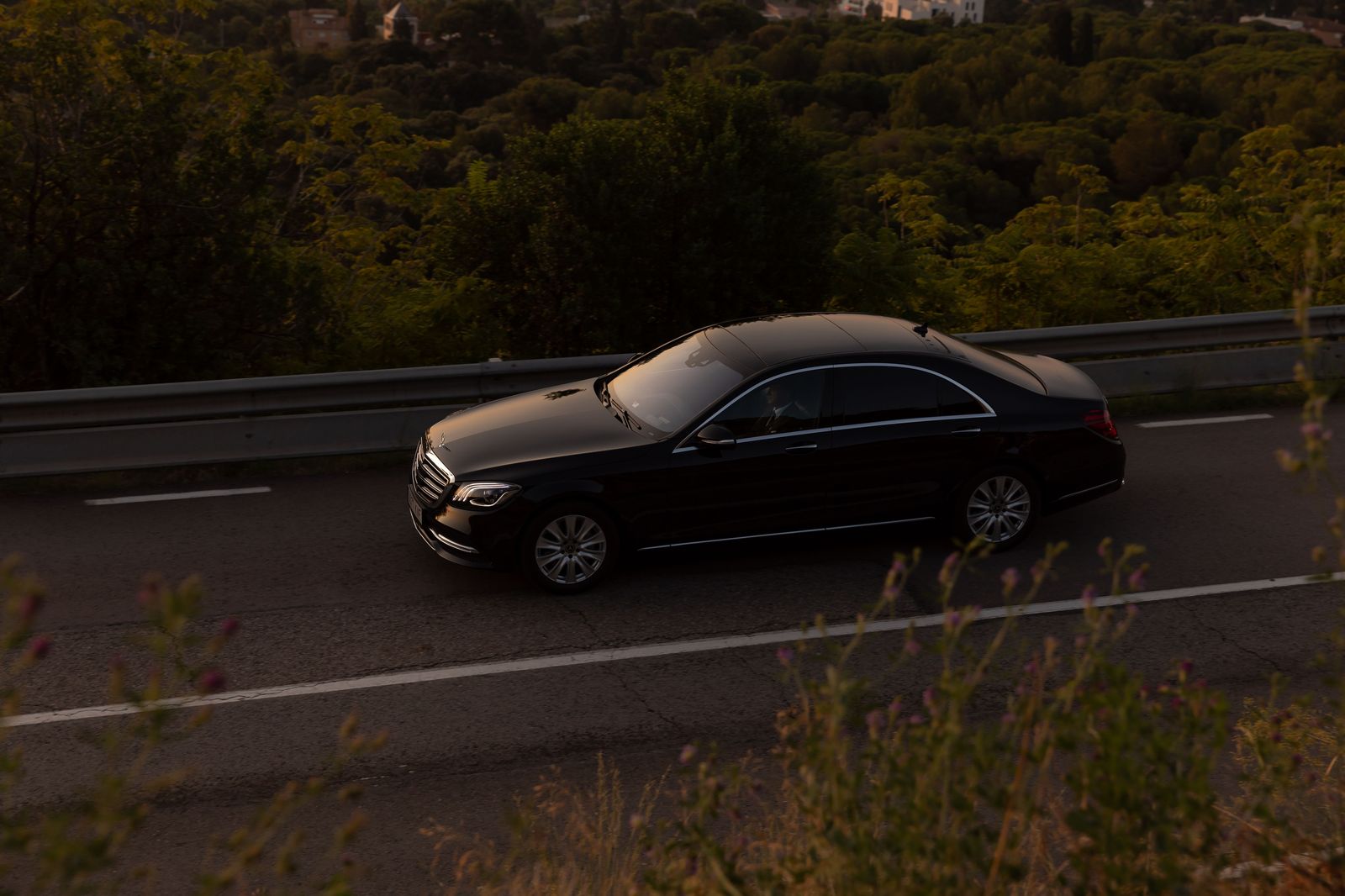
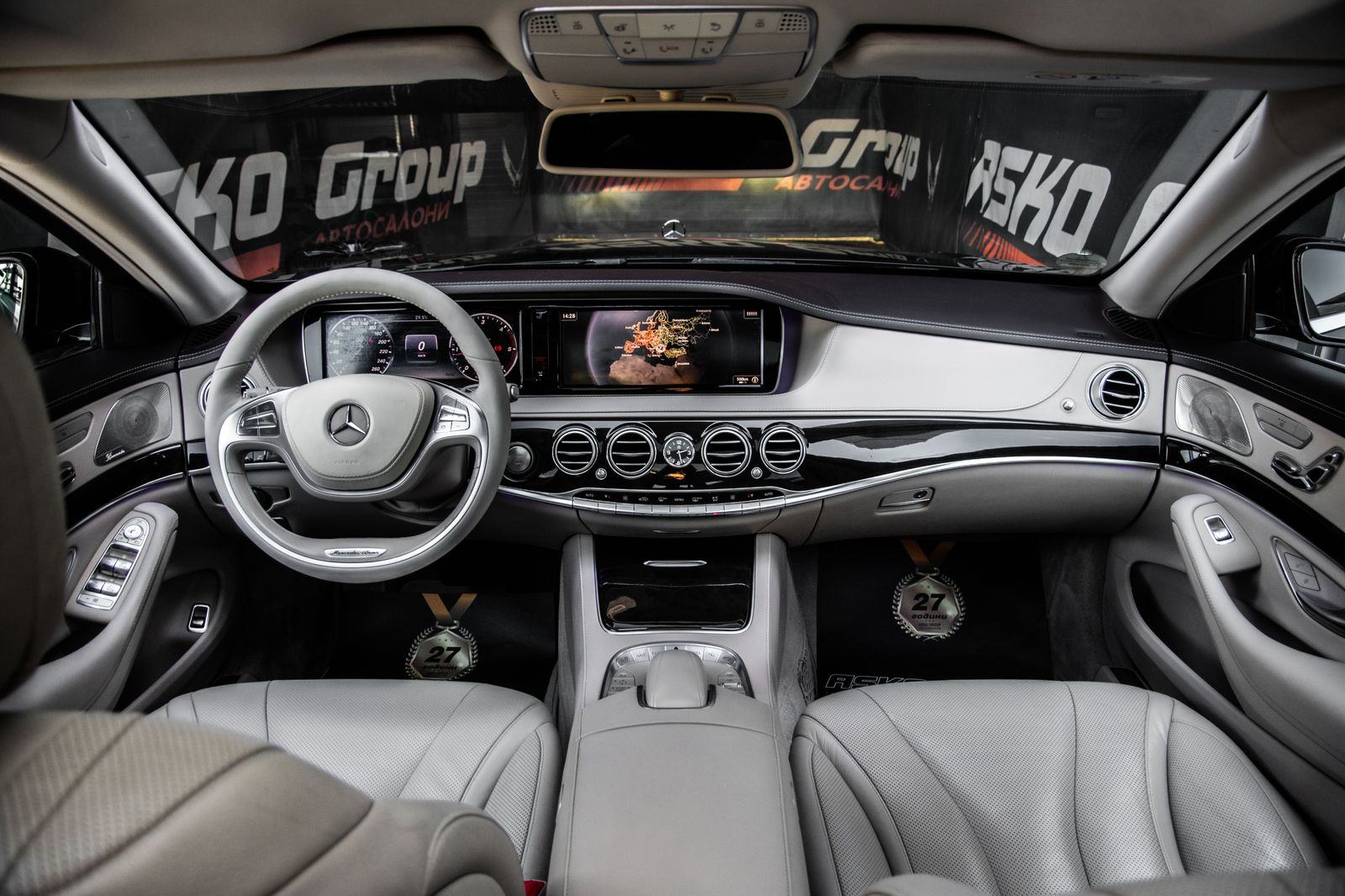
A late-model Cadillac, Lincoln or Mercedes sedan, or an Escalade, Navigator, Suburban or Yukon XL, bought or leased new, insured for commercial passenger transport at limits a private policy does not approach, serviced on the manufacturer's schedule, on winter tires from November, detailed before every booking and retired at a set age and mileage: the fleet page describes the standard, and the cost per kilometre of running it is the second line in the fare. The SUV costs more per kilometre and carries six people and six bags; for a family it is the cheaper car per passenger.
Fuel, the 407 and Pearson's fee
Fuel for 380 kilometres at the year's prices; the 407's toll for the stretch between the 401 and the airport, which the chauffeur uses when the 401 is slow and absorbs in the fare rather than adding at the end; and the commercial access fee Pearson charges every limousine and taxi that picks up at the terminal. None of the three is itemised on the receipt because none is the passenger's decision; the terms say what is and is not inside a fare.
Flight tracking, waiting and the meet
The desk tracks the flight from its departure and moves the pickup with it; the chauffeur is in the arrivals hall with a name board before the flight lands, waits sixty minutes after a domestic arrival and ninety after an international one at no charge, and waits longer when the desk sees a customs queue. The airport pickup guide walks through the meet; the cost of it is a chauffeur's hour, and it is in the fare.
What the market charges, and where we sit
The London market publishes a taxi-limo fare of about $220 for the run - a sedan, a driver, no meet, no tracking, waiting billed - and a chauffeured sedan at $310 plus HST with the meet, the tracking and a free-wait window, with an SUV at $360 and a Sprinter at $565; the research behind this site checked those figures in September 2026. Our planning figures - $295-345, $345-395 and $545-645 - sit where the published standard sits: not the cheapest fare on the page, and not the most expensive, but the price of the run done to a standard you can read.
Early hours, holidays and the round trip
A pickup between midnight and 5 a.m. carries a small early-hours premium, and a statutory holiday or New Year's Eve a small holiday premium, both shown on the engine before you confirm; there is no surge and no meter. A return booked with the outbound is two fixed rates, and the desk applies a round-trip figure when both legs are on the same day - a chauffeur who waits at Pearson through a four-hour meeting rather than driving back is cheaper than two runs. A corporate account's volume terms do the same across the year.

The Sprinter for a group
Fourteen seats and fourteen bags at $545-645 is $39-46 a head for a crew, a delegation, a wedding's guests or a family reunion flying together, against $295-345 for each sedan they would otherwise need; the group transportation page covers the manifest and the fleet page the vehicle.
The other airports, for comparison
London International (YXU) is a $45-65 run from most of the city and often the cheaper door-to-door when its flights fit; Hamilton (YHM) is $240-290, Waterloo (YKF) $190-230, Billy Bishop (YTZ) $330-380, and Detroit (DTW) $420-520 with the border. The rates page has all of them, and the travel desk will price a flight door to door across the four airports.
How to spend less on the run
Book YXU when its flights fit and take the fifteen-minute run. Share the sedan with a colleague or the SUV with a family - the fare is per vehicle, not per seat. Book the return on the same day as a round trip. Fly at hours that avoid the early-hours premium. Take the Sprinter for a group. Open a corporate account if the company books monthly. And book ahead: the price does not rise as the date approaches, but the fleet at Christmas week and March break is finite.
Three fares, as the engine quoted them
A downtown executive, Tuesday 6 a.m., business sedan, Terminal 1. $318 plus HST, with the early-hours premium inside it and the 407 used.
A Masonville family of four with six cases, Saturday 4:30 a.m., executive SUV, Terminal 3. $381 plus HST, one way; the return ten days later at 11:40 p.m. was $376.
A plant's delegation of nine, Thursday 2 p.m., Sprinter, Terminal 1, waiting for a 5 p.m. arrival on a second flight. $598 plus HST, with the waiting for the second flight inside it.
Getting the exact price
Two addresses, a date, a time and a vehicle class on the reservation engine produce the fixed price in seconds; it is the price charged, with HST shown on the receipt. The Pearson page describes the run, the comparison guide sets it against the train, the shuttle, the taxi and rideshare, and the FAQ answers the rest.
Planning figures. Every figure on this page is a LondonLimo.net planning range before HST, and the market figures are the prices competitors published in September 2026; the engine quotes the exact fixed price for your addresses, date and vehicle, and that is the price charged.
The fare by hour of day and day of week
The fixed price moves a little with the clock and the calendar, and it is worth knowing how. A weekday daytime pickup is the base; a pickup between midnight and 5 a.m. adds the early-hours premium, because a chauffeur's night is worth more than a chauffeur's morning; a statutory holiday adds the holiday premium; a Friday afternoon or a Sunday evening in summer does not add anything, though the run takes longer, because the fare is fixed by the route and not by the traffic. The Pearson page has the rules for when to leave, which change with the day even when the fare does not.
What a corporate account pays
A corporate account pays the engine's fixed rates from the first booking and receives terms in writing after the first quarter - typically a preferred rate on the Pearson run, which is most London companies' largest line, a rebate on the quarter's volume, and an hourly rate for the site day; a company that books the Pearson run weekly for two executives spends a figure the travel manager can see forming on the account's dashboard, and the rates page sets out the general ranges.
Three questions the desk is asked about the Pearson fare
Why is it more than the shuttle? Because the shuttle sells a seat on a schedule and the black car sells a vehicle at your hour with a chauffeur who meets a published standard; the comparison guide does the arithmetic for one, two and four people. Does the fare include the 407 or is that extra? Included, when the chauffeur uses it; nothing is added at the end. What if we are two families in one SUV going to different terminals? One fare with a second drop at the other terminal, which the engine prices as a short stop; tell the desk and the second terminal is on the confirmation.
The fare over a year, for a household
A London household that flies from Pearson four times a year - March break, a summer holiday, Thanksgiving and Christmas - spends eight one-way fares on the run, and the arithmetic against driving and parking at Pearson's long-term lot for ten days at a time, with the fuel, the wear and the 4 a.m. drive in January, is closer than the household expects; the Pearson page sets it out, and a household account holds the year's bookings. For the family who flies from YXU when the flights fit, the YXU page is the cheaper year.