With LondonLimo.net the gratuity is included in every fare - the rates page says so and the receipt shows it - so there is nothing to add at the door, at the terminal or on the card; a passenger who wants to recognise exceptional service may hand the chauffeur cash or ask the desk to add an amount, and it goes to the chauffeur in full. Where a gratuity is not included, Ontario custom for a chauffeured car is 15 to 20 percent of the fare, and a flat amount for a short in-city run. The rest of this page is the etiquette of the black car: where to sit, whether to talk, the phone, food, children, pets, the wedding and prom rules, the corporate guest, and how to raise a problem - so that both sides know what is expected.
Why the gratuity is in the fare
A chauffeur who meets the published standard should be paid the same for the same work whether the passenger is a regular who always tips, a visitor from a country where tipping is not the custom, a corporate guest who never sees a bill or a student's parent booking from abroad; so the gratuity is set inside the fare and paid to the chauffeur on every booking. It also removes the awkward moment at the terminal and the question of what a corporate traveller may expense. The London to Pearson cost guide lists it as a line inside the number.

If you want to give more
Exceptional service - a chauffeur who carried a grandmother's bags to the third floor, waited through a four-hour customs queue without a word, found the one open pharmacy at midnight - is recognised with cash handed to the chauffeur, which is theirs in full, or with a note to the desk asking to add an amount to the card, which reaches the chauffeur in full as well. Five to twenty percent of the fare, or twenty to fifty dollars on a Pearson run, is what passengers who give more tend to give; there is no expectation.
Ontario custom where the gratuity is not included
For a chauffeured car, a limousine or an airport limo in Ontario where the fare does not include a gratuity, 15 to 20 percent of the fare is the custom, with 20 percent for a wedding, a prom or an evening by the hour and a flat ten to twenty dollars for a short in-city ride; a taxi in London takes 10 to 15 percent; a shared shuttle's driver a few dollars a bag. Read the confirmation: it will say whether the gratuity is inside, and if it does not say, ask.
Where to sit
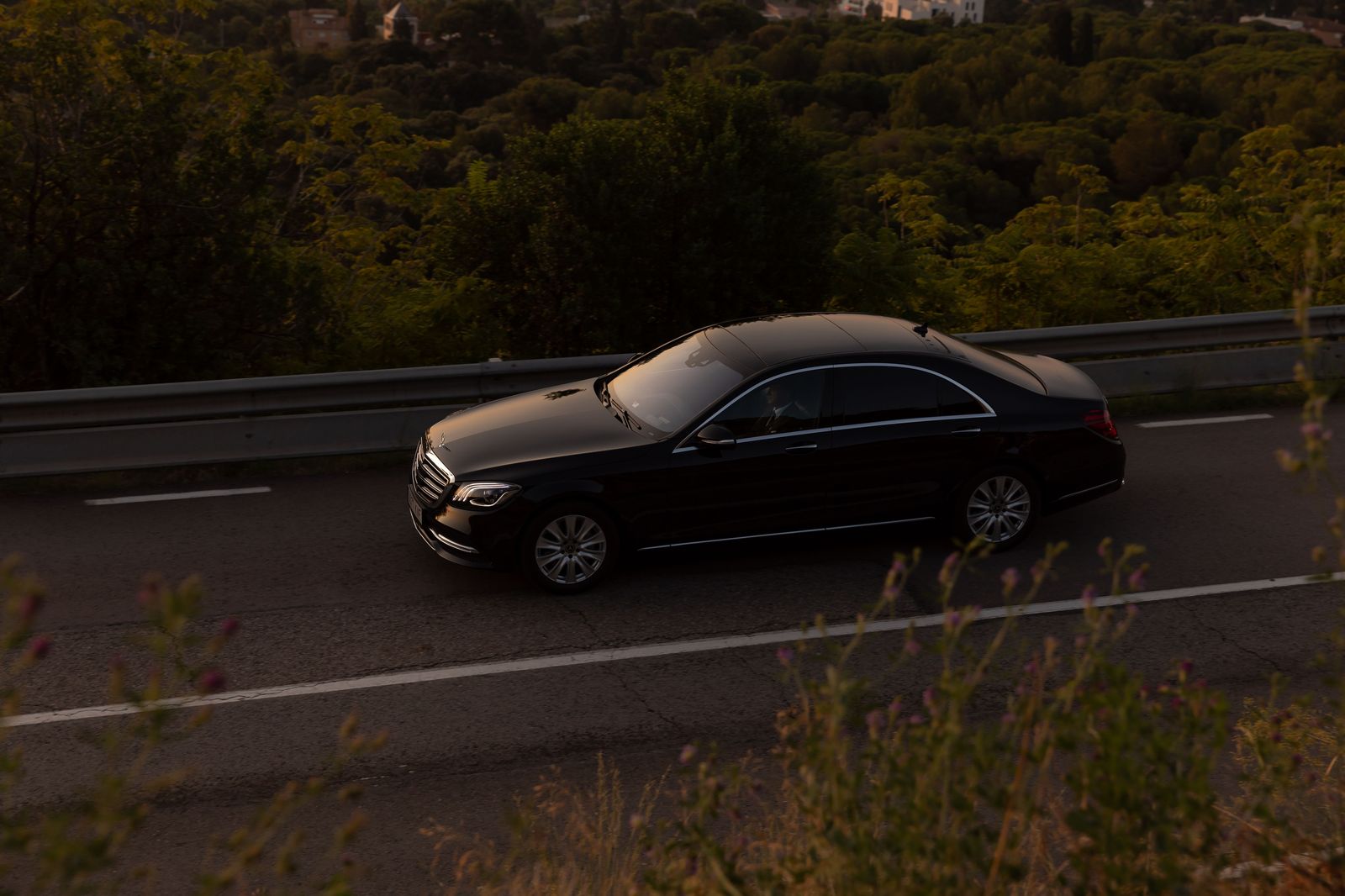
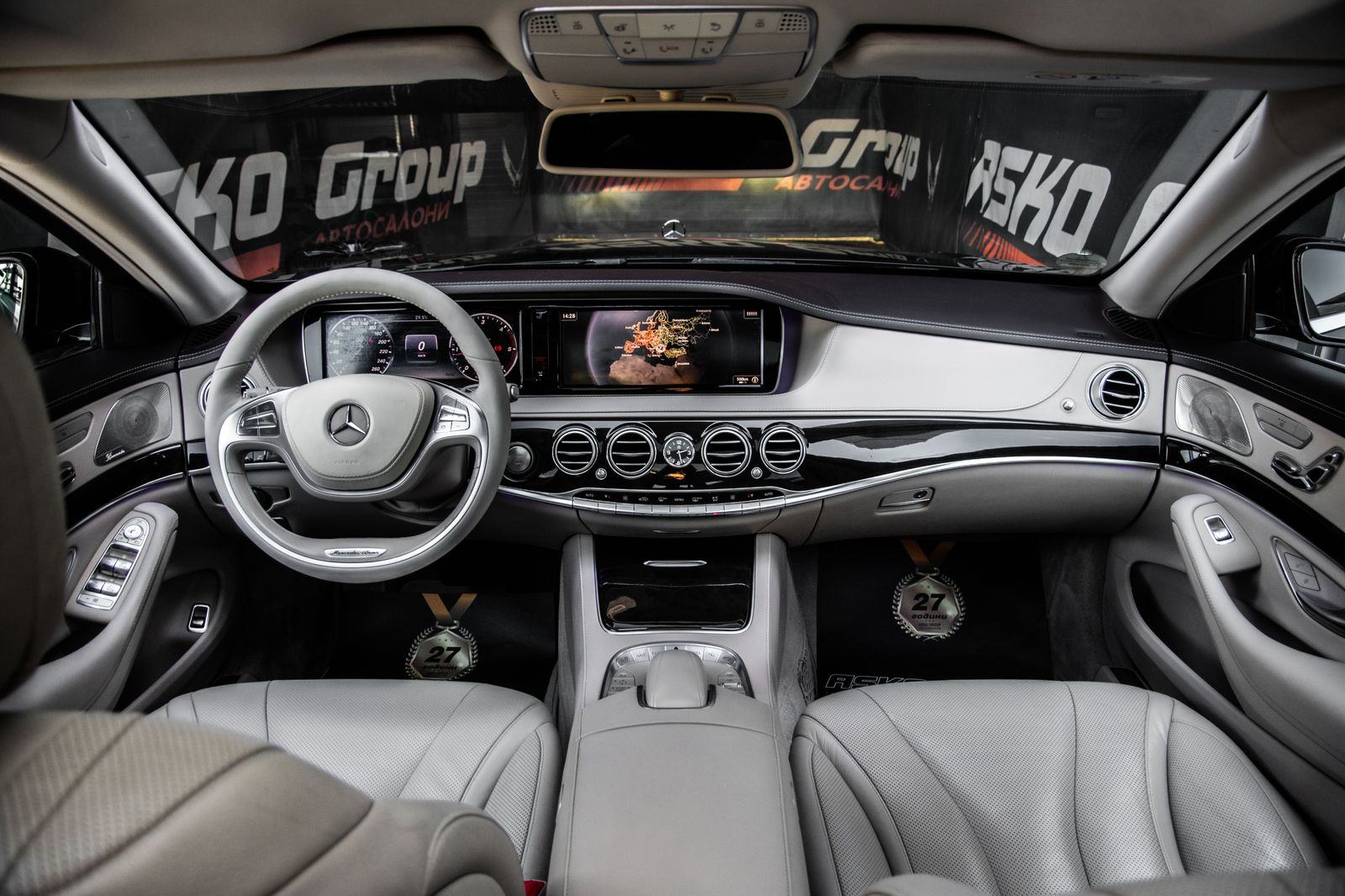
The rear seat, on the curb side, is offered because most passengers want to work, rest or make a call, and the chauffeur opens that door; the front seat is yours if you prefer it and say so. In an SUV or a van the second row is the quiet row and the third the children's; in a Sprinter the seats face forward and the table is at the back.
To talk or not to talk
The chauffeur does not start a conversation and does not continue one the passenger lets lapse; a passenger who wants to talk about the Knights, the route or the city will find the chauffeur knows all three, and a passenger who wants silence will have it. The radio is off unless asked for; the passenger's music is welcome through the cabin's audio on request.
The phone, the laptop and the call
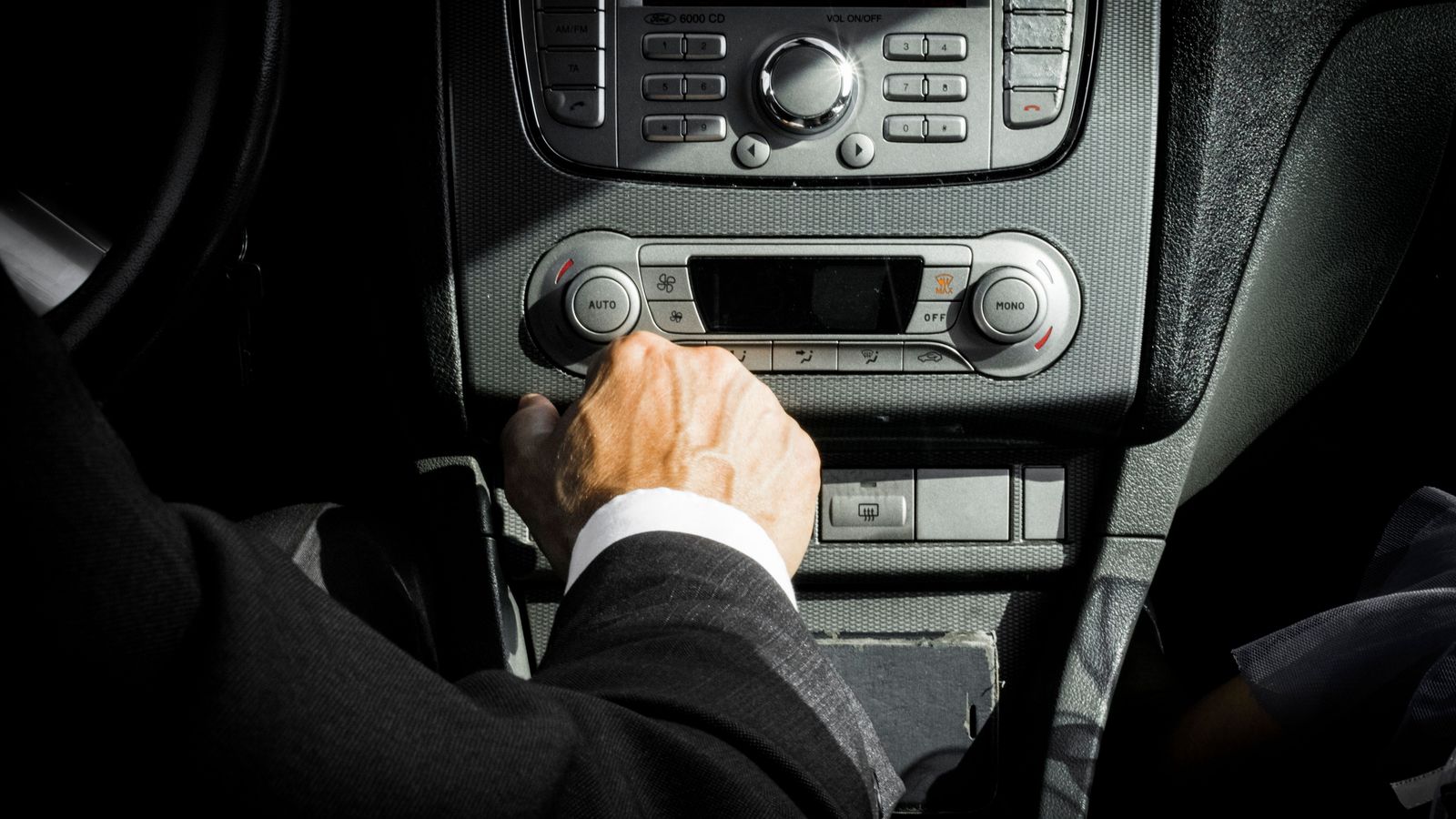
Calls are the passenger's business and the chauffeur does not hear them, in the sense that matters; the confidentiality code covers everything said in the car. Wi-Fi and chargers are in the cabin on the airport and intercity runs; a passenger on a video call may ask for the cabin lights and the chauffeur's silence.

Food, drink and smoking
Coffee, water and a sandwich are fine; a meal with sauce is better eaten before or after; alcohol in a sedan, an SUV, a van or a Sprinter is not permitted under Ontario's rules for a vehicle without a licensed bar area, and in the stretch limousines and party buses through our partner fleet the rules on alcohol and age are applied by every chauffeur. Smoking and vaping are not permitted in any vehicle; the chauffeur will stop for a smoke break on a long run when asked.
Children, car seats and the family
Children are welcome in every vehicle; car seats and boosters are carried on request by age and weight and fitted before the passenger arrives, as the fleet page explains; a child's snacks, toys and a tablet are fine; and the chauffeur drives at the pace a sleeping child and a nervous parent need. A parent may sit in the rear with the child and the other adult in front.
Pets
A pet in a carrier travels in any vehicle with notice at booking; a dog on a lead travels in an SUV or a van with a blanket the chauffeur provides, with notice; a service animal travels anywhere without notice. Tell the desk, so that the right vehicle is sent and the next passenger is not allergic.
The wedding and the prom
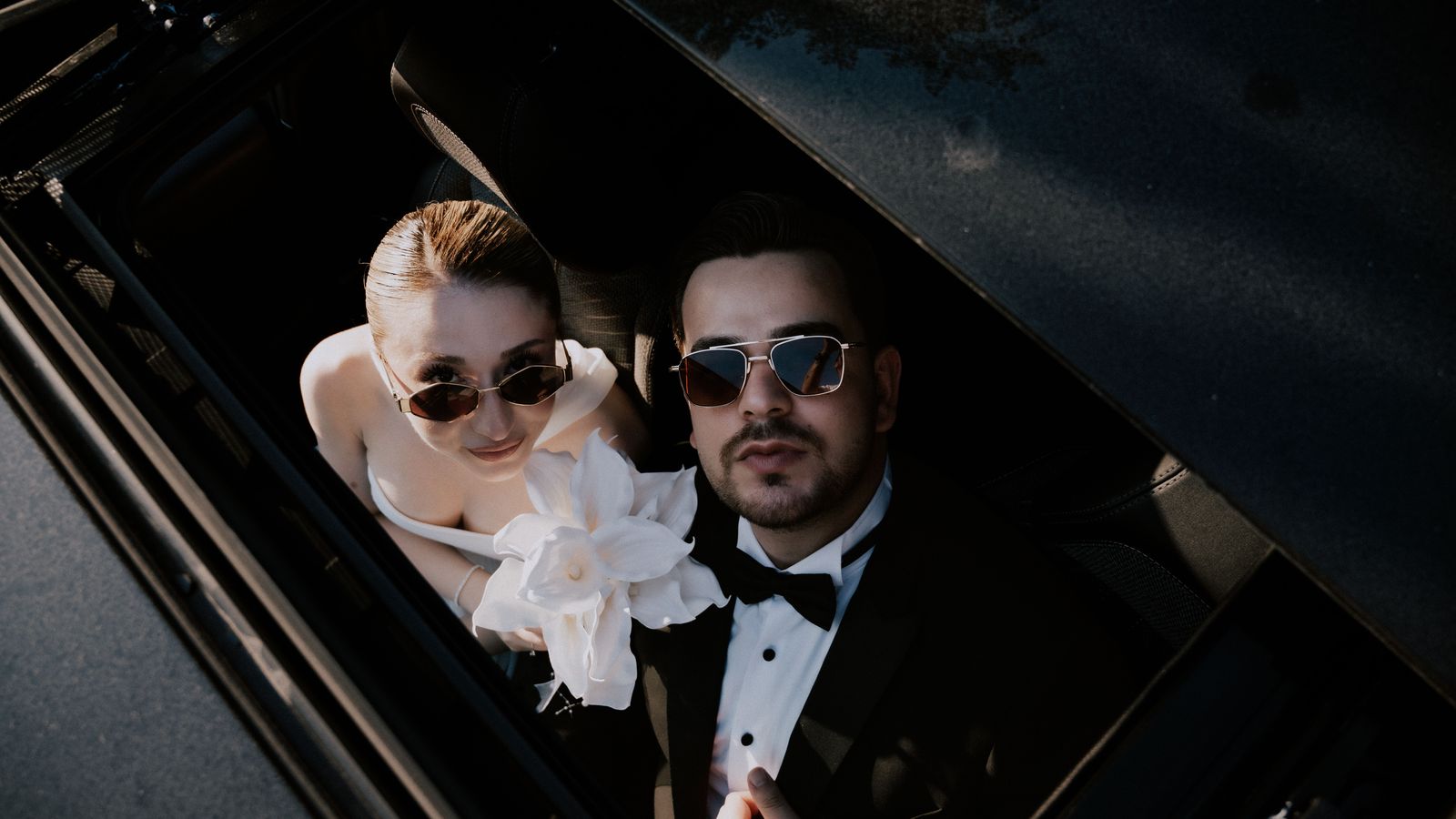
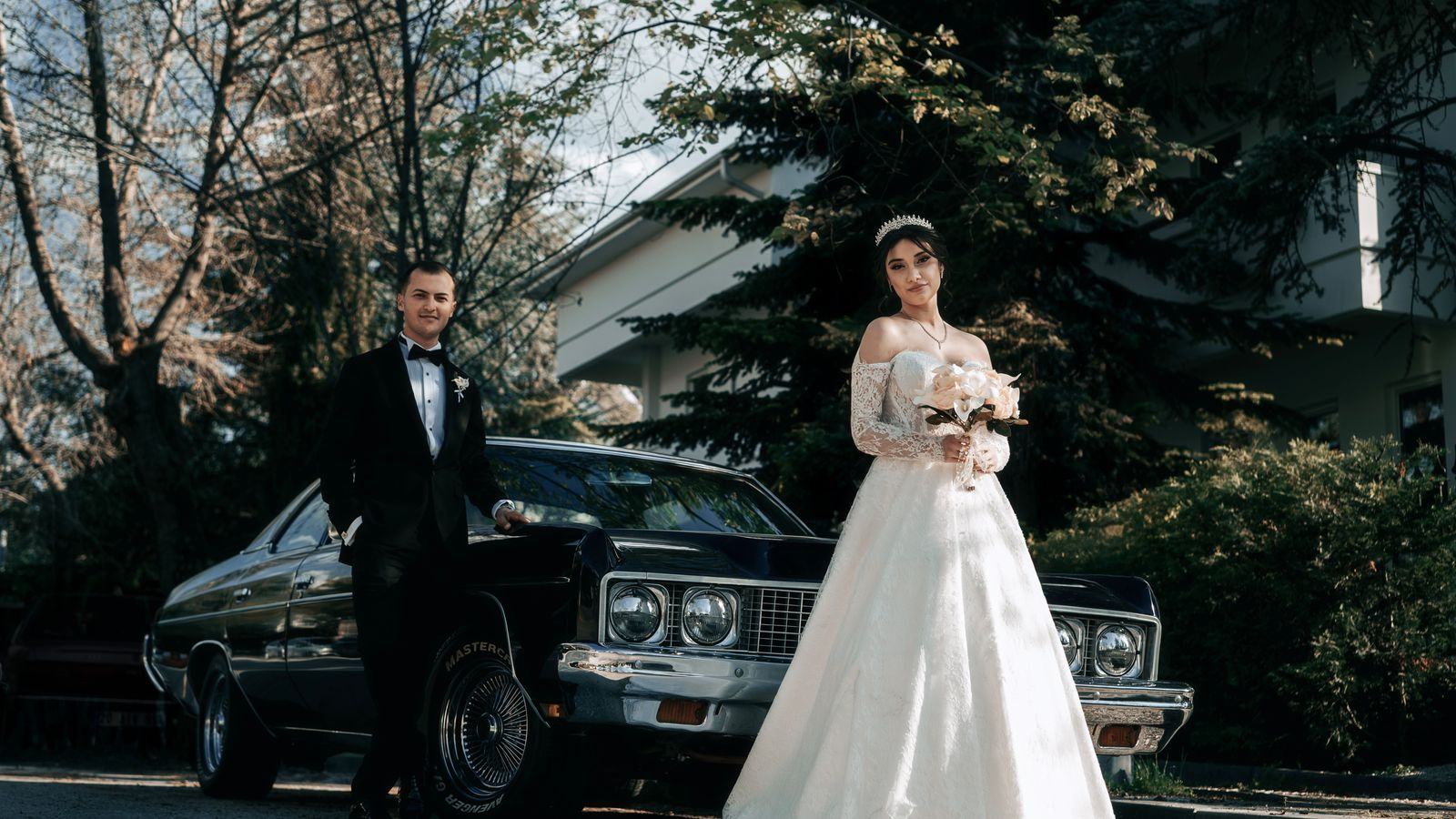
The wedding page and the prom page have the day's etiquette in detail: the chauffeur's role in the photographs, the ribbon and the flowers, the champagne in the partner fleet's stretch with Ontario's rules, the parent's rules for a prom group applied without argument, and the gratuity for a partner-fleet vehicle, which is included in our fare as it is in every other.
The corporate guest
A visitor booked on a company's corporate account never sees a bill and should not offer to pay or to tip; the host has covered both. The chauffeur addresses the guest by name from the board, carries the bags, confirms the hotel and the next day's pickup, and texts the host; the guest's only job is to get in.
The medical passenger
A patient travelling to or from a hospital is helped as much as they wish and no more; the chauffeur asks nothing about the appointment, drives at the passenger's pace, stops when asked, and sees the passenger to the door. A companion rides free; a wheelchair-accessible vehicle is arranged with notice.
What the chauffeur will do
Be early; open the door; carry the bags to and from the door or the trolley; keep the cabin at the temperature you ask; take the route you prefer or the best one if you have no preference; stop for fifteen minutes on a fixed-rate journey; wait as booked; text on arrival and text the host; and answer any question about the city. What the chauffeur will not do: accept a booking directly, discuss another passenger, drive faster than the road allows, or carry a passenger who is a danger to themselves or others.
How to raise a problem
Tell the chauffeur in the car if it can be fixed there - the temperature, the route, the music; tell the desk afterwards if it cannot, by phone, email or the form, and the coordinator reads it the same day and answers in writing within two working days, with the dispatch record in front of them. A service failure that was ours is refunded or credited; the terms state the passenger's rights.
Three etiquette questions the desk is asked
Should I tip the chauffeur at Pearson? No - it is in the fare; if you want to, cash is welcome and goes to the chauffeur in full. My visitor from Japan wants to know what is expected. Nothing - the fare is settled, the chauffeur will carry the bags and open the door, and a bow and a thank-you are the whole etiquette. Can my prom group bring champagne into the stretch? The prom page has the answer, which is Ontario's: no alcohol for anyone under nineteen, and the chauffeur enforces it.
Booking it
The fare on the reservation engine includes the gratuity and everything else on the rates page; the FAQ answers the rest, and the desk will add an amount for a chauffeur on request.
The partner fleet's chauffeurs
The chauffeurs of the stretch limousines, party buses and coaches fulfilled through our London partner fleet are paid the gratuity inside our fare exactly as our own chauffeurs are, and a passenger who wants to give more hands it to them in the same way; nothing about a partner-fleet booking changes the etiquette on this page, and the fleet page says which vehicles are partners'.
Etiquette on the long run
On the two hours to Pearson or the eight-hour wine tour, a passenger may ask for a stop - a coffee, a washroom, a smoke break on a fixed-rate run of fifteen minutes or on an hourly booking as long as wanted - and the chauffeur will suggest the ONroute service centre at the right point; a passenger who wants to sleep says so and the cabin goes quiet and dark; a passenger on a wine tour who has enjoyed the tastings is driven home with the same care as the passenger who has not, and the wine tour page describes the day.
Etiquette for the host
A host who books a car for a guest - a company for a visitor, a family for a relative, a couple for a wedding guest - gives the desk the guest's name as it should appear on the board, a phone number the guest will answer when the plane lands, the guest's language if a board in it would help, and the hotel or address; the desk texts the host at each leg, and the host's only etiquette is to tell the guest that the car is arranged and that there is nothing to pay. The corporate accounts page describes the guest booking.
Accessibility etiquette
A passenger with a mobility need tells the desk at booking - a walker, a wheelchair, a need for a low step or an accessible van - and the chauffeur arrives with the right vehicle and the right help; a passenger with a visual impairment is met with the chauffeur's spoken name rather than a board; a passenger who is deaf is met with the board and texts; a service animal is welcome without notice. The hospitals page describes the medical journey, and Ontario's accessibility standards are the floor the desk works to.
Booking it, with the etiquette settled
The reservation engine takes the booking with the gratuity inside the fare; the notes field takes the name for the board, the car seat, the pet, the language and the stop; and the desk answers anything this page has not.