

Every LondonLimo.net chauffeur holds a full Ontario driver's licence with a clean abstract, is licensed under the City of London's vehicle-for-hire by-law or the equivalent for the fleet class, has passed a criminal-record check and a driving-record review, drives a vehicle insured for commercial passenger transport, has completed our winter-driving, airport-meet and conduct training, and is bound by a written conduct and confidentiality code. The partner fleet that fulfils the stretch limousines, party buses and coaches, and the network operators who fulfil bookings beyond Southwestern Ontario, are contracted to the same standard. This page publishes it, so that a passenger booking a Pearson run, a travel manager writing a policy on a corporate account or a parent booking a prom limousine can read exactly what they are buying.
Why the standard is published
A ride with a stranger is a licence plate and a rating; a chauffeured car is a person who has been selected, checked, trained and made accountable. The difference is real only if it is written down and can be cited, so this page is the document a corporate travel policy points to, a law firm's supplier file holds and a family reads before the prom. Nothing on it is aspirational; every item is a condition of a chauffeur's work for us, and a breach ends it.
Licensing and the law
Every chauffeur holds a full Ontario Class G licence at minimum, with a Class F or higher for the vans and Sprinters and the commercial classes the partner fleet's coaches require, under the Ministry of Transportation's rules; is licensed as a driver under the City of London's vehicle-for-hire by-law where the by-law applies to the class; and drives a vehicle that is licensed, inspected and plated as the by-law and the Highway Traffic Act require. Driving abstracts are pulled at hiring and annually; a chauffeur with more than a minor infraction on the abstract does not drive for us.
Screening
A criminal-record check with vulnerable-sector screening at hiring and every three years; a driving-record review at hiring and annually; reference checks with previous chauffeur or professional-driving employers; an interview and a road assessment with a senior chauffeur that includes the 401 at speed, the downtown one-way grid, an airport loop and a winter-condition scenario; and a probation period of supervised bookings before a chauffeur drives alone. The desk keeps the file, and the corporate account's supplier documents cite it.
Insurance
Every vehicle carries commercial passenger-transport insurance at the limits the City's by-law and our own policy require, well above a private policy's, with the certificate available to any corporate client's supplier file; the partner fleet's stretch limousines, buses and coaches carry their own commercial policies at the limits their class requires, verified by the desk before a partner is contracted. A passenger is never carried in a privately insured car.
Training: the 401 in January
London's winters are lake-effect winters and the Pearson run crosses the 401's snow belt between Woodstock and Cambridge; every chauffeur completes winter-driving training, drives on winter tires from November to April, plans the winter run with the Environment Canada forecast and the Ontario 511 cameras, and knows the rules for leaving early the desk applies. All-wheel-drive SUVs are dispatched when the forecast calls for it, and a chauffeur who judges a road unsafe stops and calls the desk rather than pressing on.
Training: the airport meet
Every chauffeur knows Pearson's two terminals, the arrivals halls, the limo holding lot and the commercial curb rules; YXU's single hall and carousel; the meet procedures at Billy Bishop, Hamilton, Waterloo, Windsor, Detroit and Buffalo; how to read a flight's progress and a customs hall's queue; the name board, the trolley and the bags; and what to do when a passenger does not appear. The airport pickup guide describes the meet from the passenger's side.
Training: the border
Chauffeurs on the Detroit and Buffalo runs are trained in the crossing's procedures - the CBSA's and CBP's rules for a commercial passenger vehicle, the documents each passenger needs, the secondary-inspection procedure and the bridge and tunnel options - and carry the vehicle's own documents for every crossing.

The conduct code
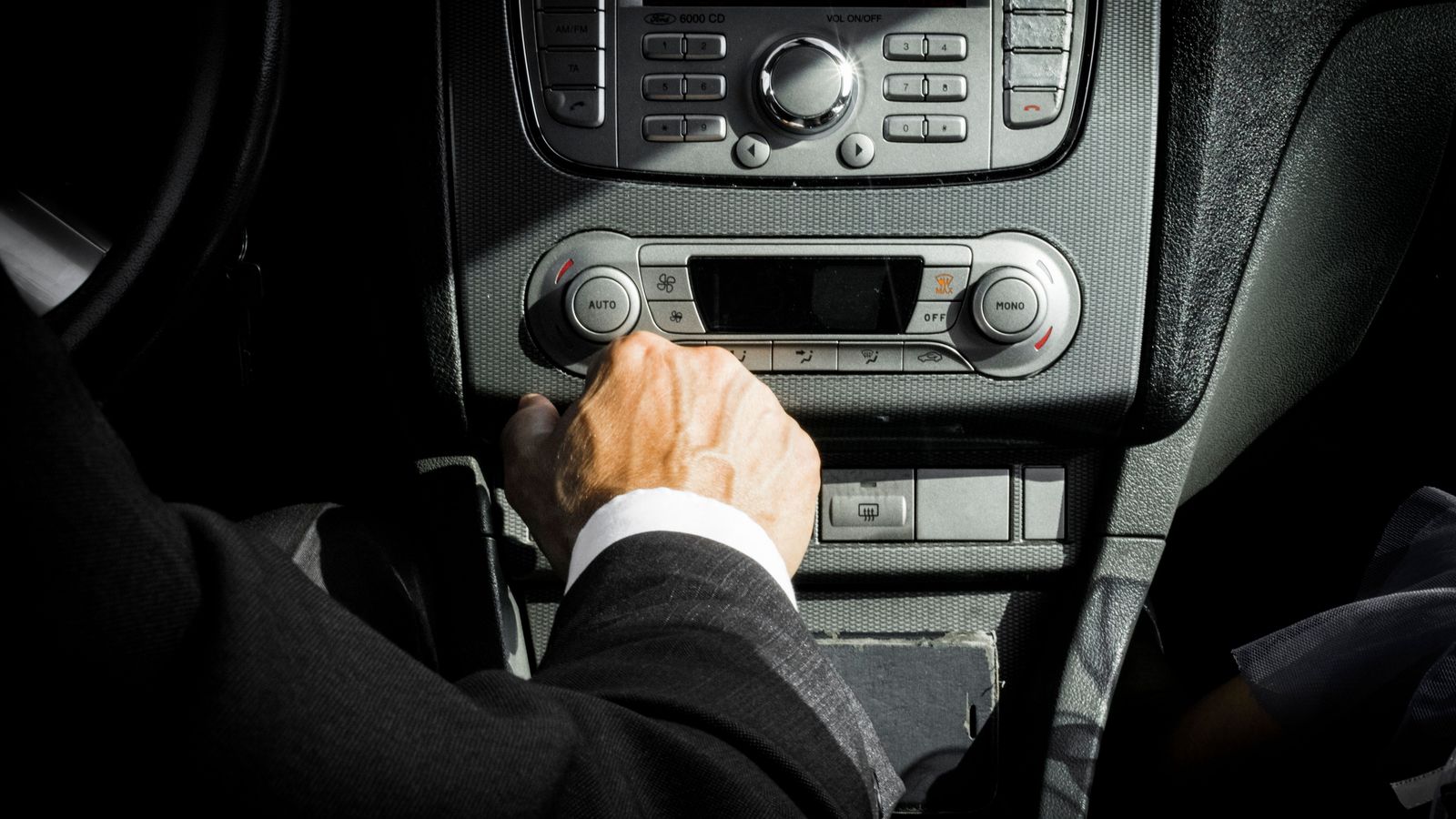
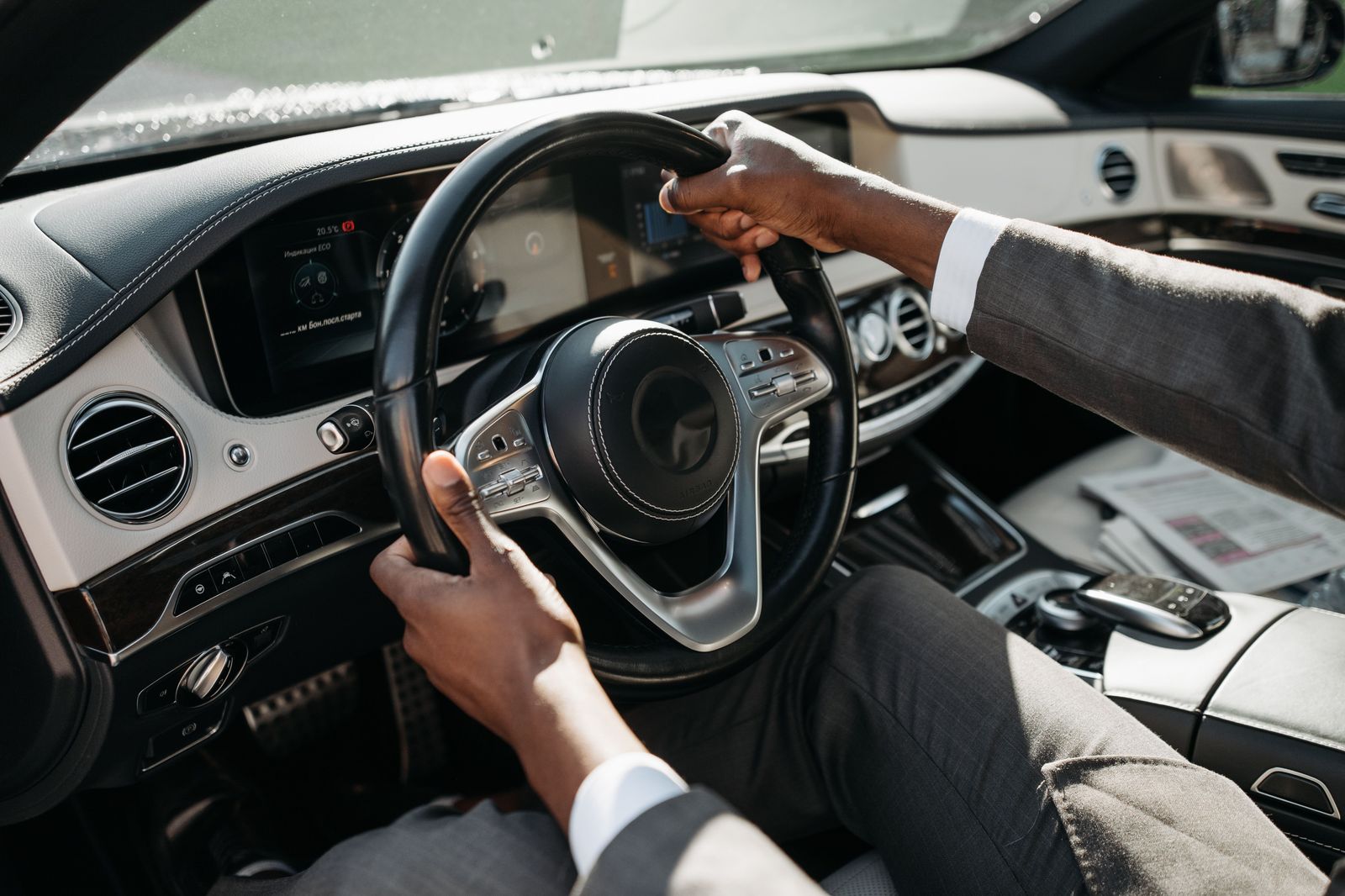
A chauffeur is on time, which means early; is dressed in a dark suit, a white or pale shirt and a tie, or the plain dark uniform a corporate client specifies; holds the door; handles the bags; drives smoothly at the pace the passenger's comfort sets; does not use a phone while driving except hands-free for the desk; does not make conversation unless invited and does not continue it if the passenger falls silent; does not smoke, eat or play their own music in the car; keeps the cabin at the temperature the passenger asks; and does not accept a booking from a passenger directly, which protects the passenger's record and the company's standard. Gratuities are included in the fare and never solicited; the etiquette guide explains.
The confidentiality code
A chauffeur does not discuss a passenger - who they are, where they went, whom they were with, what was said in the car - with anyone, including other passengers, other chauffeurs and their own household; does not photograph a passenger or a passenger's documents; does not post about a booking; and signs a confidentiality undertaking at hiring that survives the end of their work for us. Executives, lawyers, physicians, athletes, performers, families in medical difficulty and everyone else are carried on the same undertaking.
The vehicle standard
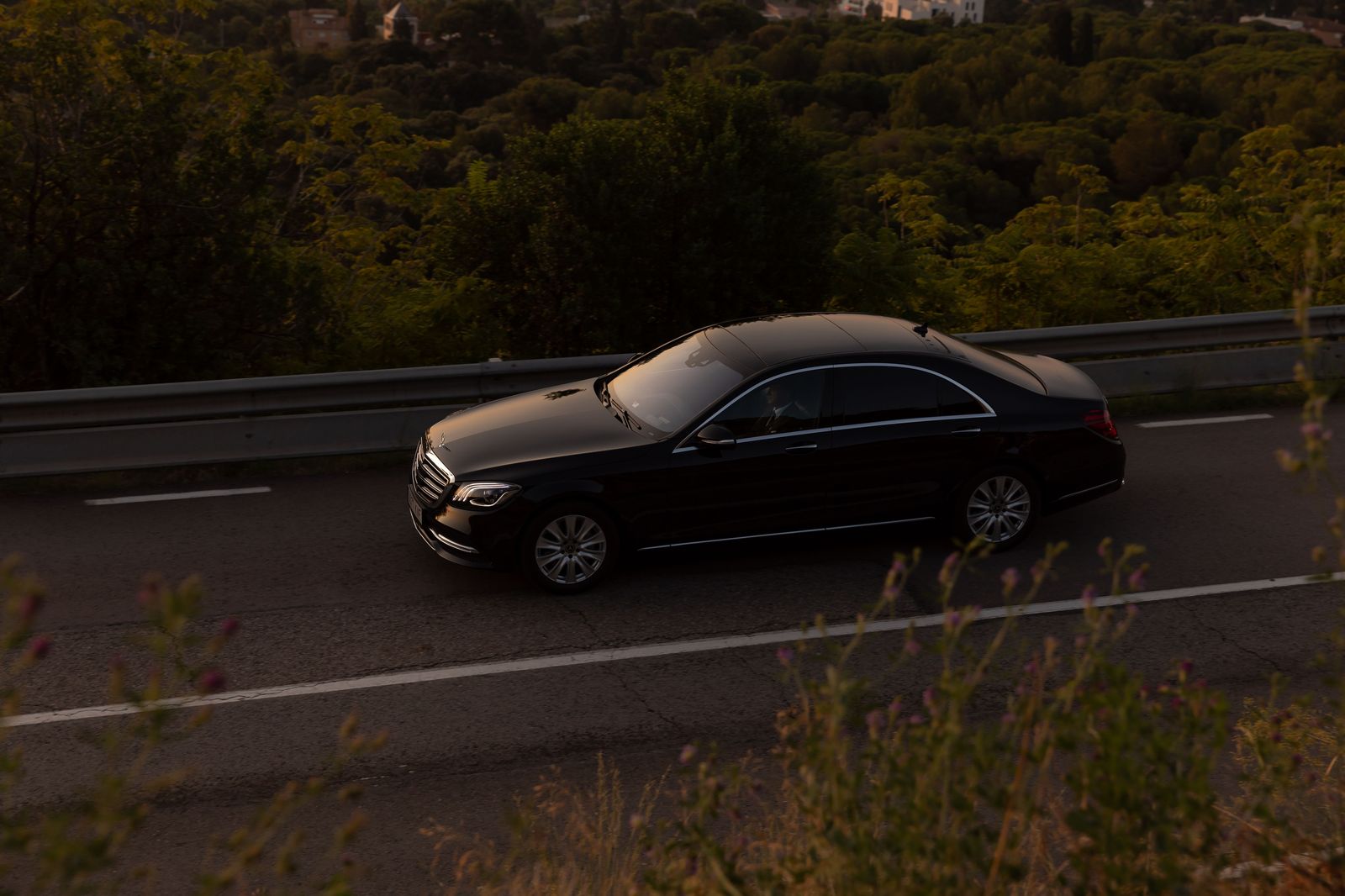
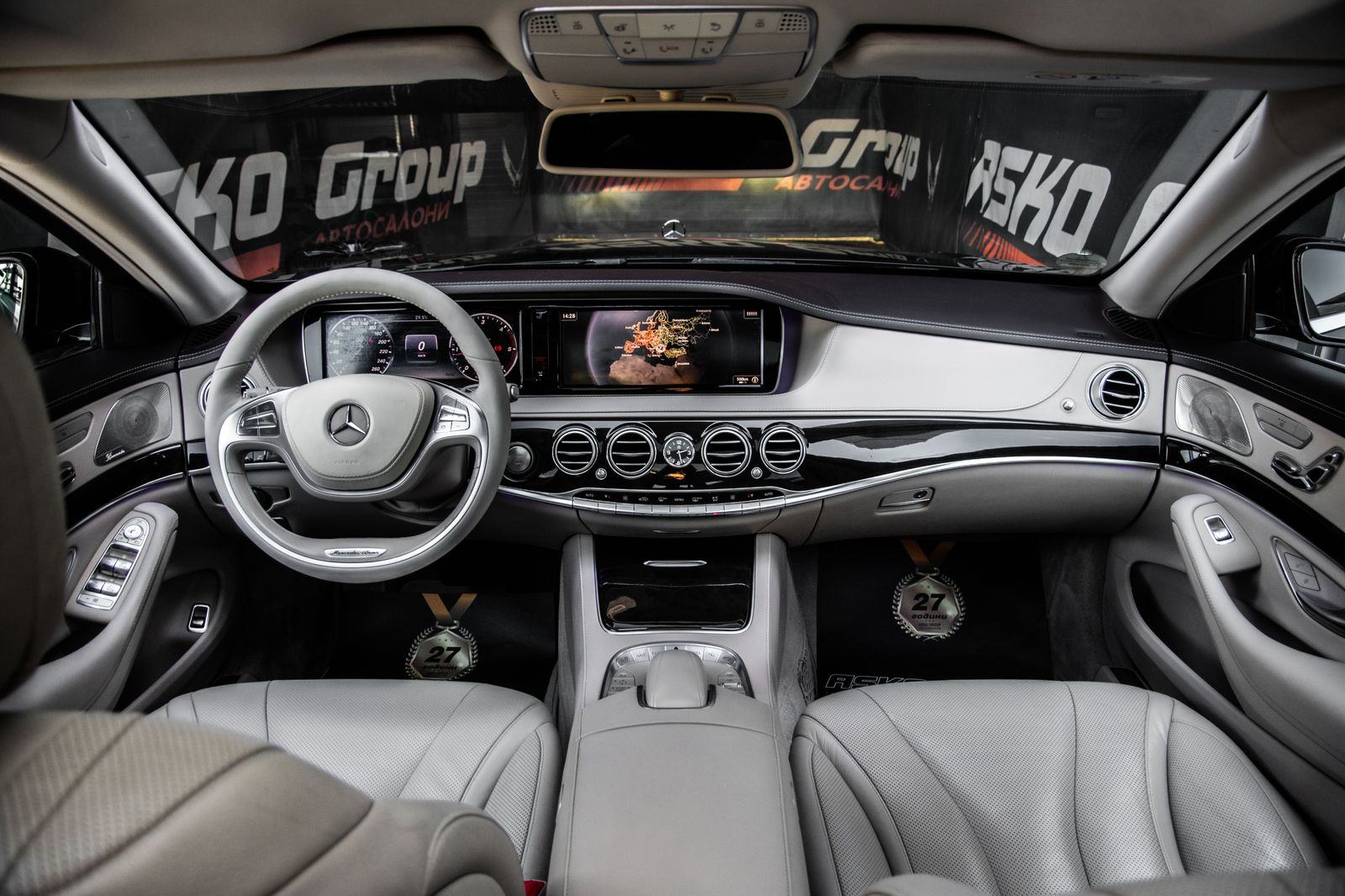
Black, unbranded, late-model, detailed inside and out before every booking, with water and chargers in the cabin, winter tires from November to April, all-wheel drive on the SUVs, and a chauffeur's pre-trip check of lights, tires, fluids and the cabin recorded at the start of each shift; the fleet page lists the classes, and a vehicle that does not meet the standard on the day is replaced before the booking, not explained afterwards.
The chauffeurs who drive for us
Professional chauffeurs and career drivers from London and the region, many with a decade or more in chauffeured, corporate, airport or medical transport, who know the city's streets, the hospitals' entrances, the campus's loops, the plants' gates and the 401's moods; a growing number speak a second language - Punjabi, Hindi, Arabic, Spanish, Mandarin, French and others - and the desk will match a chauffeur's language to a passenger's on request.
The partner fleet and the network
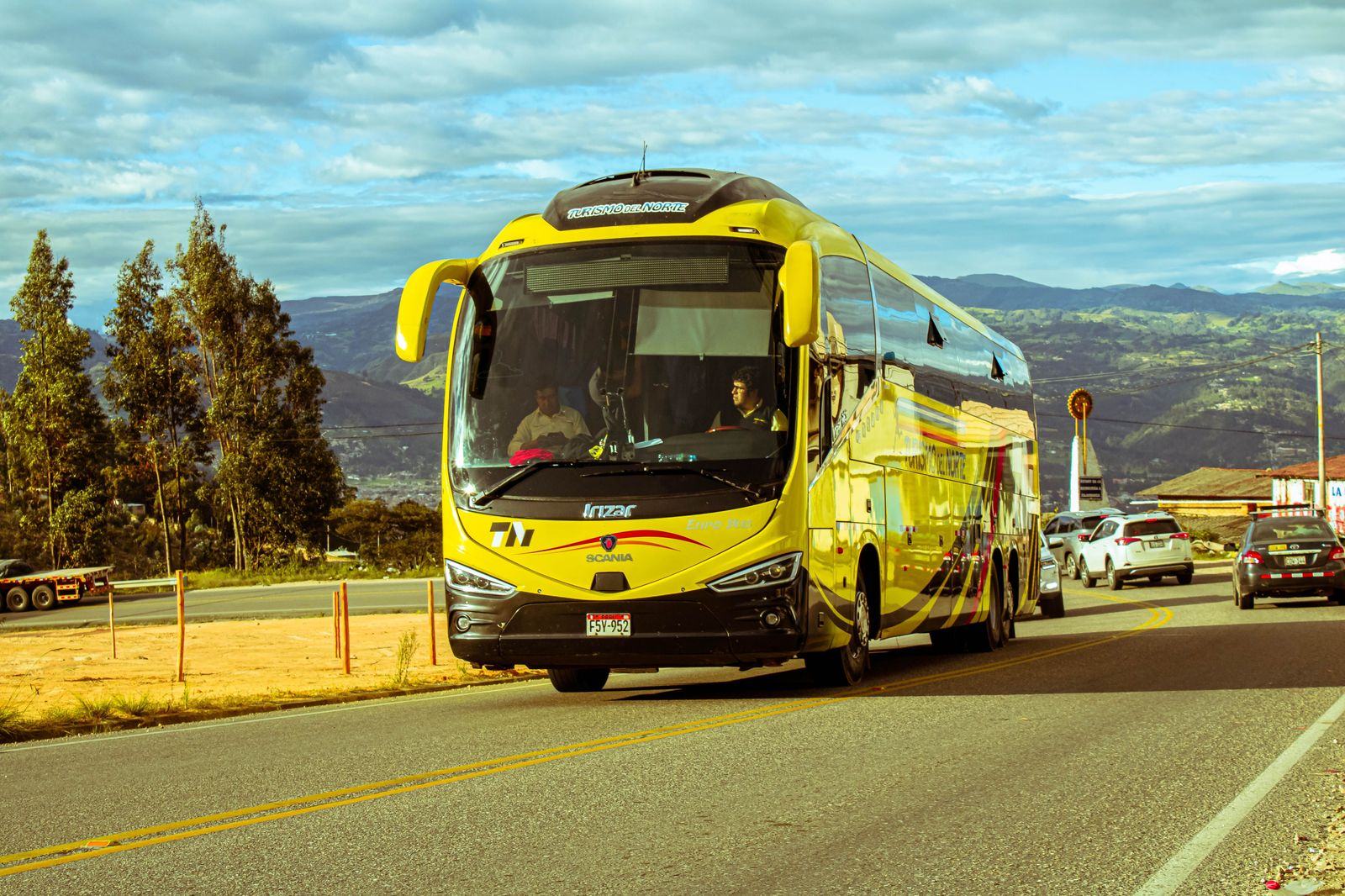
Stretch limousines, party buses and coaches are fulfilled through London-area partner operators whose chauffeurs and vehicles are contracted to this standard, whose licences, abstracts and insurance the desk verifies, and whose bookings run under our dispatch; bookings beyond Southwestern Ontario - a chauffeur meeting a London passenger at Calgary or Halifax - are fulfilled by network operators vetted through the LimousineWorldwide.Directory and contracted to the same written standard. Every page that describes a partner or network booking says so.
How a complaint is handled
A complaint reaches the coordinator by phone, email or the form on the contact page; it is read the same day, investigated with the chauffeur and the dispatch record - the GPS trace, the timestamps, the messages - and answered in writing within two working days. A breach of the conduct or confidentiality code ends a chauffeur's work for us; a service failure that was ours is refunded or credited without argument. The terms state the passenger's rights.
Three moments the standard was tested
A whiteout on the 401, January. A chauffeur with a passenger for a Pearson departure judged the road beyond Woodstock unsafe, pulled off at Ingersoll, called the desk, and the desk rebooked the flight through the travel desk while the squall passed; the passenger flew four hours later and was not charged for the wait.
A confidential passenger, spring. A public figure's three days in London - the hotel, the hospital, the campus, the airport - carried by the same chauffeur, and nobody outside the desk and the passenger's office knew they were in the city.
A missed connection, Pearson. A passenger's inbound flight arrived four hours late at midnight; the chauffeur tracked it, waited, met the passenger with the name board at 12:40 a.m., and the waiting was not charged.
What this means for a booking
When you book a LondonLimo.net chauffeur - on the reservation engine, on a corporate account or through the desk - you are booking a person who meets every item on this page, in a vehicle that meets the standard, under a code that protects you. That is the difference between a chauffeured car and a ride, and it is why the rates page costs what it does.
Three questions passengers ask about the chauffeur
Will it be the same chauffeur each time? For standing bookings on a corporate or household account, the desk assigns the same chauffeur where the roster allows, and most weekly Pearson runs are driven by the same person for years; for a one-off booking, the chauffeur's name, mobile and plate are sent the evening before. Can I sit in the front? Yes, if you prefer; the rear is offered because most passengers want to work or rest. What if I want to change the route or add a stop? Tell the chauffeur; a stop of fifteen minutes is included on a fixed-rate journey, a longer change is priced by the desk before it is applied, and the chauffeur will suggest the better route when the 401 is slow.
What the chauffeur does before the booking
Checks the flight or the event time; reads the forecast and the road cameras; plans the route and the pickup time with the desk's rules; checks the vehicle - lights, tires, fluids, the cabin, the water and the chargers; dresses; and leaves early enough to be at the door ten minutes before the booked minute. On an airport meet, the chauffeur is in the arrivals hall with the name board before the flight lands, not on the way from the lot when it does.
The standard in one paragraph, for a travel policy
LondonLimo.net chauffeurs hold a full Ontario licence with a clean abstract and the applicable City of London vehicle-for-hire licence; pass a criminal-record check with vulnerable-sector screening at hiring and every three years and a driving-record review annually; drive black, unbranded, late-model vehicles insured for commercial passenger transport and on winter tires from November to April; are trained in winter driving, airport meets and border procedures; and are bound by a written conduct and confidentiality code, breach of which ends their work for the company. The partner fleet and network operators are contracted to the same standard.
The chauffeur and the passenger's schedule
A chauffeur is briefed on the whole booking, not just the pickup: the flight's scheduled and actual times, the meeting's start, the curtain, the ceremony, the gate's opening; and the desk's rule is that the passenger is never the one watching the clock. On an hourly booking the chauffeur keeps the itinerary's times, reminds gently when a stop is running long against a fixed commitment, and adjusts the route for traffic or weather without being asked; on a fixed-rate journey the chauffeur arrives early and waits. The hourly page describes the day; the Pearson page the timing rules the chauffeur applies.