





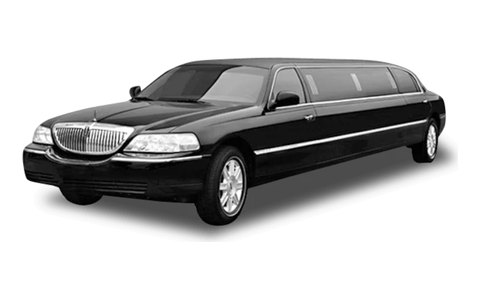






A yearly chauffeur contract with LondonLimo.net reserves the same monthly block - 40, 80, 120 or 220 hours - for twelve consecutive months, with the hourly rate locked for the whole term. A business sedan stays at $155 an hour all-in, taxes and a 20% gratuity included, so an 80-hour sedan contract is $12,400 a month, $148,800 for the year.
Why a twelve-month contract exists
A monthly reservation suits a need that may change. A yearly contract suits a need that will not: the chief executive who is driven every working day, the family whose chauffeur covers school, clinic and cottage all year, the public office that budgets transport for a fiscal year, the research institute that hosts a steady stream of visiting scientists. For these clients the question is not "can I get a car next week?" but "what will ground transport cost us from now until next autumn, and will the same people be looking after us?"
A yearly chauffeur contract in London, Ontario answers both. The rate is fixed for twelve months on the day the agreement is signed. The chauffeur team is named. The vehicle class is set. Finance gets one predictable line, the passenger gets continuity, and nobody renegotiates in the middle of winter.
What the rate lock covers
The lock applies to the all-in hourly rate for the class you contract. Today those rates are:
| All-in rate (CAD) | Business sedan | First-class sedan | SUV Business | SUV First | Chauffeur only (your car) |
|---|---|---|---|---|---|
| Inside London, per hour | $155 | $285 | $185 | $235 | $95 (4-hour minimum) |
| Outside London, per hour (+50%) | $232.50 | $427.50 | $277.50 | $352.50 | $142.50 |
| A 10-hour day inside London | $1,550 | $2,850 | $1,850 | $2,350 | $950 |
| Each km beyond 150 in a day | $3 | $8 | $4 | $4 | not charged - your car |
And the monthly blocks those rates produce:
| Hours reserved per month | Business sedan | First-class sedan | SUV Business | SUV First | Chauffeur only (your car) |
|---|---|---|---|---|---|
| 40 hours | $6,200 | $11,400 | $7,400 | $9,400 | $3,800 |
| 80 hours | $12,400 | $22,800 | $14,800 | $18,800 | $7,600 |
| 120 hours | $18,600 | $34,200 | $22,200 | $28,200 | $11,400 |
| 220 hours (roughly 10 h x 22 working days) | $34,100 | $62,700 | $40,700 | $51,700 | $20,900 |
Over a year the figures add up quickly, which is exactly why the lock matters for budgeting. A 40-hour business sedan contract is $74,400 for twelve months; a 120-hour SUV Business contract is $22,200 a month or $266,400 a year; a 220-hour first-class sedan contract is $62,700 a month. Whatever happens to our published rates during the term, your contracted rate stays where it was.
The usual inclusions and pass-throughs are the same as on every hire program. Each day includes 150 km; additional kilometres are $3 in a sedan, $4 in an SUV and $8 in a first-class sedan. Tolls such as the 407 ETR, parking and in-car Wi-Fi are billed at actual cost. Days outside London are charged at the contracted hourly rate plus 50%, with the chauffeur's hotel and a $100 flat travel allowance where an overnight is needed. Hours and kilometres do not roll over from one month to the next.
The yearly contract is the same price per hour as the monthly service - there is no volume discount - but it removes the risk of a rate change during the term.
Budgeting a chauffeur for the year
Organisations that budget a chauffeur usually start from three numbers: how many hours a normal month needs, how many days will leave London, and how many kilometres a typical day covers.
- Hours. Track a month of real use if you can. Executives who travel often tend to need 80 hours; a household that wants a driver most weekdays tends to need 120; a full-time daily chauffeur is closer to 220.
- Out-of-town days. A day in Toronto or at Pearson is charged at the higher out-of-town rate. Count them separately in the budget; ten Toronto days a year in a sedan add the 50% premium on those hours only.
- Kilometres. London itself rarely uses the 150 km allowance. Regular runs to Kitchener-Waterloo, Windsor or Toronto will add extra-kilometre charges at the class rate.
For context on how transport costs move over time, Statistics Canada publishes the consumer price data many finance teams already use to set annual budgets; the lock means that movement does not reach your chauffeur rate during the contract year. Organisations comparing the cost of employing a driver directly can look up prevailing wages for drivers and chauffeurs on the Government of Canada's Job Bank - and should then add payroll costs, a commercially insured vehicle, maintenance, and cover for holidays and sickness before comparing.
Continuity: the chauffeur team
A year is long enough that holidays, illness and training days will happen. A yearly contract therefore names a lead chauffeur and at least one backup who is introduced to you early, rides along on an ordinary day and keeps a copy of your standing instructions: the regular addresses, the preferred routes, the airport routine, the family members who may be picked up and those who may not. The precise arrangements - how quickly a backup takes over, how much notice either side gives for changes - are terms of the written agreement, and they are agreed with you rather than assumed.
Continuity applies to the vehicle as well. The contracted class stays the same for the year, every car is no older than four model years, and SUVs run on winter tires from November to April. If you want to change class partway through - a sedan in summer, an SUV in winter - that is a conversation to have when the agreement is drafted.
Governance, reporting and confidentiality
Larger clients need more than a car. The yearly contract supports the reporting that public bodies, hospitals, universities and listed companies expect:
- One statement a month showing each day's hours, kilometres over the allowance and every pass-through cost with receipts.
- Cost-centre coding so that the transport of a visiting board member, a department or a project can be charged correctly; see corporate accounts for how coding works.
- A trip log suitable for duty-of-care records, kept no longer than the agreement and the law require.
- Purchase-order billing for public-sector clients at City Hall, the county, the hospitals or Western and Fanshawe.
- A non-disclosure agreement signed before the first day, if you want one.
The National Limousine Association is a useful reference for what professional chauffeured transportation should look like; our own published standard, on the chauffeurs page, is what the contract commits us to in London.
A worked example: an 80-hour sedan contract
Consider a London company that contracts 80 business sedan hours a month for its president. The base is $12,400 a month, or $148,800 for the year, all-in. Suppose the president spends twelve days a year in Toronto, each about ten hours door to door: those 120 hours sit inside the block but carry the 50% out-of-town premium, which adds $77.50 an hour, or $9,300 across the year. Each Toronto day is about 400 km, so 250 km over the daily allowance at $3 is $750 a day, $9,000 a year, plus 407 ETR tolls at cost if that route is chosen. Two overnight trips add the chauffeur's hotel and a $100 travel allowance each time. Inside London the 150 km allowance is rarely reached.
That gives finance a clear structure: a fixed monthly base, a predictable premium for the days the calendar already shows out of town, and pass-through costs backed by receipts. Because the hourly rate is locked, the only figures that move during the year are the ones driven by actual use.
Questions to settle before signing
A good yearly contract is written once and then left alone. These points are worth deciding at the start so that the agreement reflects how you will really use the chauffeur:
- Who may ride. One executive, a leadership team, a household, visiting guests? Name the people, and any who should not be carried.
- Standing addresses. Home, office, regular clinics, schools and the airport routine, written down once and kept by the lead chauffeur and the backup.
- Approval of extra hours. Who can authorise hours beyond the block in a busy month, and how that approval is recorded.
- Out-of-town travel. Whether the chauffeur should drive to Toronto, Ottawa or across the border, and how overnights are approved.
- Reporting. What the monthly statement needs to show for your finance, audit or duty-of-care files.
- Confidentiality. Whether the contract runs under an NDA and whether a code name replaces the passenger's name.
- Renewal. How and when both parties review the arrangement before the twelve months end; the rate for any renewal is agreed at that point.
The answers go into the written agreement, which is the only document that sets contract terms.
Yearly, monthly or something else?
If the need may change within the year, start with a monthly reservation and convert later. If you already own a suitable vehicle, the chauffeur-for-your-car program supplies only the chauffeur at $95 an hour. If you want one person to look after a household or an executive with the flexibility to move between cars, read hire a private chauffeur. For consulates, missions and protected principals, see diplomatic and consular transportation and the armored car service. Every rate on this site is explained on the chauffeur cost 2026 page.
Who signs yearly contracts in London
Yearly contracts tend to come from organisations and households whose need for a chauffeur is structural rather than occasional. A manufacturer's president who splits each week between the plant on the east side, the downtown office and the Toronto customer base. A health-science or insurance company that hosts visiting directors several times a quarter and wants one car and one chauffeur known to its reception staff. A family office that wants a single trusted person driving the household for school, appointments, the airport and the summer at the lake. A public body that must budget a fiscal year in advance and report every trip. A research group at the university that receives a steady stream of international visitors and wants each one met at London International or Pearson by the same chauffeur.
What these clients share is that a mid-year price change or a new face at the door would cost them more in disruption than the transport itself. The twelve-month term removes both risks.
How the year is reviewed
Every yearly contract benefits from a short review partway through. The coordinator compares the hours actually used each month with the block contracted, the number of out-of-town days and the extra kilometres, and suggests whether the block still fits. If the pattern has changed - more Toronto days, fewer evenings, a new family member to drive - the agreement can be adjusted in the way it sets out. Toward the end of the term the same review informs the renewal discussion, so that the next year's block reflects real use rather than the original estimate.
Starting a contract
Send the desk the block you expect, the vehicle class, the start month and an outline of a normal week. A coordinator prepares the written agreement with the locked rate, proposes a lead chauffeur and a backup, and arranges an introductory day. Use "Reserve monthly" on a vehicle card below and mention that you want a twelve-month term, call the desk, or write to a coordinator.